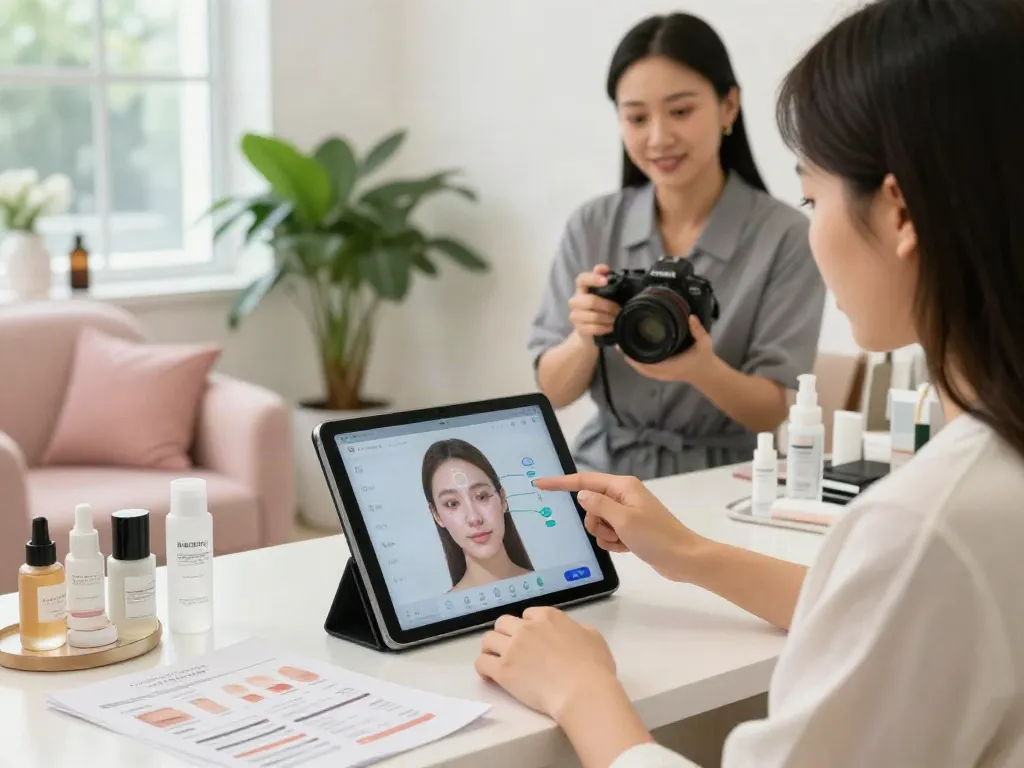
Understanding Facial Analysis Services
In today's digital age, the quest for perfecting one's appearance has led to a surge in the popularity of facial analysis services. These services utilize advanced algorithms and artificial intelligence to evaluate facial features, helping users understand how they can enhance their aesthetic appeal. As more people turn to these platforms for guidance, it's essential to distinguish between the available options, especially when considering alternatives to QOVES, a leading name in this space. When exploring options, Alternatives to QOVES provide comprehensive insights into various features, pricing models, and user experiences.
What is Facial Analysis?
Facial analysis refers to the process of evaluating specific facial features and characteristics, often using artificial intelligence (AI) and machine learning technologies. These assessments can include measurements of facial symmetry, proportions, and overall aesthetic appeal. By analyzing these elements, users receive feedback that can guide them in making personal grooming, skincare, and aesthetic decisions. The core objective of these services is to help individuals capitalize on their unique facial features, thus enhancing their confidence and self-esteem.
Key Features to Look For
When choosing a facial analysis service, several key features can significantly impact the value and effectiveness of the service:
- Human Review: Whether the analysis includes a review by trained professionals can drastically influence the accuracy and personalization of the feedback.
- Personalized Plans: Look for services that provide not just a score but a well-rounded plan with actionable insights based on the analysis.
- Tracking and Support: Some services offer ongoing tracking of progress or add new assessments over time, which can be invaluable for users seeking long-term improvement.
- Cost Transparency: Understanding the full cost of a service is crucial; hidden fees can quickly escalate what appears to be an affordable option.
Comparative Costs and Packages
Facial analysis services come at various price points, each offering different levels of service. While QOVES charges $150 per year for its comprehensive membership, other services can be significantly more affordable, or even free but may lack in-depth analysis or support. For instance, ClinicEvo offers a monthly subscription at around $12, equating to approximately $144 annually, while free options like PrettyScale provide limited functionality without human oversight. Understanding these financial implications is essential for users to find the best value corresponding to their needs.
Top Alternatives to QOVES
ClinicEvo Overview and Benefits
ClinicEvo stands out as a noteworthy alternative to QOVES, offering a unique blend of AI-driven analysis complemented by human review. Users receive a personalized EvoPlan™ tailored to their specific facial features, providing meaningful insights and actionable steps for improvement. The service's monthly fee of $12 is competitive compared to QOVES’s annual membership, making it an attractive option for those looking for ongoing support and guidance.
Umax: Instant Results and Features
Umax delivers an appealing solution for those seeking quick insights into their facial aesthetics. This service offers an app that rates selfies using AI algorithms, providing an instant score along with suggestions for enhancing one's appearance. Although fast and easy to use, Umax does not offer the in-depth, personalized plans that come standard with services like QOVES or ClinicEvo. As a result, users looking for long-term guidance may find Umax to be a less comprehensive option.
LooksMax AI: User Experience and Pricing
LooksMax AI is another alternative that leverages AI technology to provide users with a facial attractiveness rating. This service also includes recommendations for grooming, skincare, and hairstyle improvements aligned with the user's specific features. While it is user-friendly and integrates smoothly into daily routines, the lack of human review raises questions about the reliability of the insights provided. Pricing for LooksMax AI varies, making it essential for potential users to assess their budget against the value offered.
Evaluating Service Quality
Human Review vs. Automated Analysis
One of the most critical factors in evaluating facial analysis services lies in understanding the difference between human reviews and automated calculations. Services like QOVES and ClinicEvo emphasize the importance of human oversight in ensuring the accuracy and contextual relevance of the analysis. In contrast, options like Umax and LooksMax AI rely primarily on algorithm-generated scores, which may lack the depth needed for nuanced assessments.
Importance of Personalized Plans
Personalization is key in the world of facial analysis. A service that provides merely a score may fall short for users seeking actionable steps to enhance their features effectively. Personalized plans take into account individual characteristics, goals, and preferences, which are vital for meaningful improvements. Therefore, when selecting a service, it is crucial to ensure that it offers tailored insights rather than generic feedback.
Long-term Tracking and Support
Understanding the trajectory of one’s progress is crucial for achieving aesthetic goals. Many users benefit from services that track their improvement over time, providing updated analyses and recommendations as they adapt their routines and treatments. While QOVES and ClinicEvo offer ongoing support, several alternative services may not provide the same level of tracking, potentially limiting users' understanding of their cosmetic journey.
Pricing Comparisons and Membership Value
Annual vs. Monthly Subscriptions
When evaluating different facial analysis services, users face the decision of opting for annual versus monthly subscriptions. Although annual memberships like QOVES may seem more cost-effective at first glance, monthly subscriptions from services like ClinicEvo offer flexibility, particularly for those who wish to test the waters before committing long-term.
Hidden Costs and Fees
Transparency regarding costs is essential when selecting a facial analysis service. Some platforms may appear cheaper but could introduce hidden fees, such as charges for supplementary features or updates. Users must read the fine print and ensure they understand what they are paying for to avoid unexpected expenses down the line.
Best Value for Your Investment
Determining the best value for your investment means weighing not just the financial cost but also the quality of insights, support, and personalization each service offers. Services that combine affordability with comprehensive human-reviewed analyses, like ClinicEvo, often provide superior long-term value as compared to instant scoring apps which may lack depth.
Frequently Asked Questions
Is there a free version of QOVES?
QOVES does not currently offer a free version of its service. However, users can explore various alternatives such as PrettyScale and FaceRate.ai, which provide free scoring based on facial analysis without the comprehensive support of a paid membership.
What are the benefits of using alternatives to QOVES?
Alternatives to QOVES can offer diverse features, including lower price points, unique scoring methodologies, and the absence of long-term contracts. They provide flexibility for users who may not require a full membership or who prefer a different evaluation approach.
How do I choose the right facial analysis service?
Selecting the right service depends on factors like budget, desired depth of analysis, preference for human oversight, and the importance of personalized feedback. It's advisable to compare these elements across different platforms to find the best fit for individual goals.
Can I trust the scores given by these services?
While many services rely on advanced algorithms for scoring, the accuracy of these results can vary. Services that include human reviews, like ClinicEvo, tend to offer more reliable assessments than purely automated platforms.
What should I do if my analysis results are unsatisfactory?
If the analysis results do not meet your expectations, consider reaching out to the service provider for clarification or follow-up recommendations. Additionally, researching alternative services might provide you with more satisfactory insights or support tailored to your needs.