Understanding Facial Age Estimation Technology
In today's fast-paced digital world, technology has advanced to a point where we can now estimate how old someone looks with just a simple photo upload. This captivating intersection of artificial intelligence and human perception has given rise to numerous applications and websites dedicated to answering the age-old question: how old do I look? These tools leverage complex algorithms and vast datasets to provide an age estimate based on our facial features. This article explores the technology behind these estimations, their accuracy, benefits, and future trends in the field.
What is Facial Age Estimation?
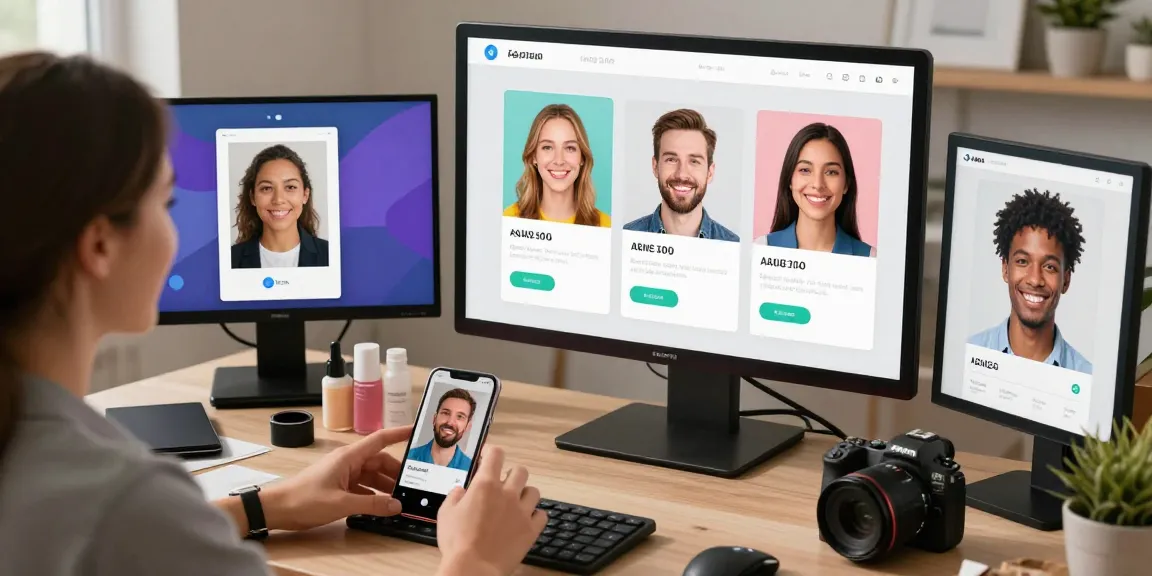
Facial age estimation refers to the use of algorithms and machine learning techniques to determine a person's perceived age based on visual analysis of facial images. This process involves evaluating various facial attributes, such as skin texture, wrinkles, and other age-related characteristics. AI models are trained on large datasets, allowing them to learn the correlation between specific facial features and biological age. With a simple upload of a selfie, users can receive immediate feedback on their apparent age.
The Science Behind Age Detection Algorithms
Age detection algorithms primarily utilize deep learning techniques, particularly convolutional neural networks (CNNs), to process and analyze facial images. These networks can discern patterns and features that human eyes may overlook. By examining different layers of the image, CNNs can identify age-associated traits, including:
- Skin Smoothness: Younger skin typically appears smoother and less textured.
- Wrinkle Depth: The presence and depth of wrinkles increase with age.
- Facial Structure: Changes in facial contours and bone structure become more pronounced as one ages.
Datasets used for training these models often include thousands of images across various age groups, ensuring a broad understanding of aging perceptions in diverse populations.
Key Features of Popular Age Estimation Tools
Several applications and online platforms have emerged as leaders in the field of facial age estimation. Each offers unique features that enhance user experience:
- Instant Results: Most tools deliver results in seconds, providing users with immediate feedback.
- User-Friendly Interfaces: Many platforms are designed to be intuitive, making it easy for users to upload photos and receive estimates.
- Data Privacy: Leading applications emphasize the security and confidentiality of uploaded images, addressing user concerns about data leaks.
How Accurate Are Online Age Guessing Tools?
With a myriad of tools promising to accurately estimate age based on photographs, questions about accuracy are vital. Users often wonder how reliable these tools are and what factors influence their precision.
Analyzing Accuracy Metrics: What to Look For
To evaluate the effectiveness of age estimation tools, consider several factors:
- Validation Studies: Reputable tools often conduct validation studies to assess their accuracy across different demographics.
- Algorithm Transparency: The transparency of the underlying algorithms can indicate reliability. Tools that share their training data and methodologies tend to be more trustworthy.
- User Feedback: Reviews and experiences from other users can provide insights into the accuracy of the tool.
Common Misconceptions About Age Estimation Accuracy
Many users harbor misconceptions about how accurate these tools can be. It's essential to understand:
- Subjectivity of Aging: Age perception can be subjective; cultural factors and individual variations play a significant role.
- Environmental Factors: Lighting, makeup, and even the angle of the photo can influence the results.
- Limitations of AI: AI is constantly evolving, but it can still misinterpret features or fail to account for unique facial characteristics.
Real-World Examples of Age Estimation Performance
Several online platforms have been tested for their accuracy. For example, tools like FaceAge.ai and Fotor have demonstrated high accuracy rates in controlled environments. However, discrepancies can occur due to factors such as the quality of the uploaded photo and the demographic of the user.
Benefits of Using Age Estimation Applications
While many may use these tools for fun, there are significant benefits associated with their use. Understanding these advantages can enhance user engagement and satisfaction.
Fun and Entertainment: Engaging Yourself and Friends
One of the primary appeals of age estimation tools is their entertainment value. Sharing results with friends or on social media can lead to humorous interactions and discussions about perceptions of age. These lighthearted experiences can foster connection and community engagement.
Insights into Skincare and Beauty Regimens
Many users turn to age estimation tools to gather insights into their skin health. By understanding how others perceive their age, individuals can tailor their skincare routines and adopt practices that may help them appear younger. For instance, users might invest more in sunscreen, hydration, or anti-aging products upon receiving feedback from these tools.
How Age Feedback Can Enhance Self-Confidence
Receiving positive age estimates can significantly boost self-esteem and confidence. Conversely, constructive feedback can motivate individuals to take proactive steps in their wellness and beauty routines, fostering a healthier self-image.
Guidelines for Choosing the Right Age Estimation Tool
With numerous options available, selecting the most suitable age estimation tool can be overwhelming. Here are key factors to consider:
Factors to Consider: Security and Privacy
The safety of personal images should be a top priority. Opt for tools that clearly state their privacy policies and data handling practices to ensure your images are protected and not misused.
Comparing Popular Platforms: Features and Usability
Assess the features of various platforms to find one that fits your needs. Look for:
- Upload Options: Some tools allow photo uploads, while others offer live scanning.
- User Education: Educational resources on how to improve age perception through lifestyle choices can be valuable.
- User Interface: A straightforward, easy-to-navigate interface enhances the user experience.
User Reviews: What Others Are Saying
Before committing to a specific tool, check user reviews and testimonials. Insights from real users can provide a clearer picture of the tool's effectiveness, accuracy, and potential shortcomings.
Future Trends in Facial Age Recognition Technology
As technology continues to evolve, the field of facial age recognition is expected to undergo significant advancements. Keeping an eye on these trends is essential for users and developers alike.
Advancements to Look for in 2026 and Beyond
Future innovations may include enhanced algorithms capable of processing images more accurately and efficiently. Additionally, multi-modal approaches that combine facial analysis with other biometric data could offer more comprehensive age assessments.
Impact of AI on Facial Recognition and Aesthetics
As artificial intelligence technology progresses, we may see tools becoming more intuitive, understanding not just age but also style preferences and aesthetics. This could lead to personalized recommendations for beauty and wellness products based on one’s perceived age.
Predictions for User Engagement and Experience Enhancements
As platforms incorporate more interactive features, user engagement is expected to rise. Real-time feedback, gamification elements, and personalized insights could transform the way individuals interact with age estimation tools.
What is the best facial age estimation tool available?
The best tool depends on individual preferences and needs, as there is no one-size-fits-all answer. Look for a tool that meets your security standards, provides accurate results, and has positive user reviews.
Can age estimation tools be used for professional purposes?
Yes, professionals in fields such as dermatology and cosmetic surgery can utilize these tools to gauge the effectiveness of treatments and gauge patient perceptions. However, interpretation should always be done with caution and professional insight.
How do I ensure the safety of my images?
Always review the privacy policies of any tool you use to understand how your images will be stored and used. Opt for platforms that prioritize user data protection and allow you to delete your images after analysis.
Are there age estimation tools that do not require photo uploads?
Some applications may offer live age assessment features that analyze real-time video feeds, reducing concerns about image uploads. These features can provide a more dynamic interaction with users.
How does lighting affect the accuracy of age estimation?
Lighting plays a crucial role in how facial features are perceived. Poor lighting can obscure details, leading to inaccurate age estimates. Ideally, photos should be taken in even, natural light for the best results.