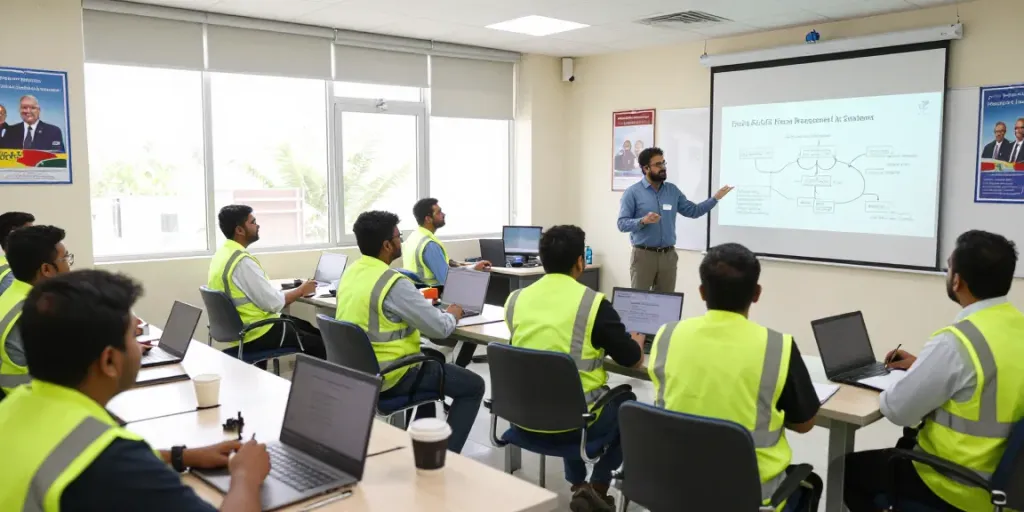
Understanding CSP Certification: A Comprehensive Overview
The Certified Safety Professional (CSP) certification stands as a pinnacle achievement for safety professionals globally. This prestigious credential is awarded by the Board of Certified Safety Professionals (BCSP) and signifies a commitment to excellence in the field of occupational health and safety. Obtaining a CSP certification not only enhances your career prospects but also equips you with the necessary skills and knowledge to implement effective safety management practices that protect employees and enhance workplace standards. When exploring options, CSP Certification provides comprehensive insights into advancing your safety career.
What is CSP Certification?
The CSP certification is recognized worldwide as a testament to a safety professional's knowledge, skills, and abilities in the field of occupational safety and health (OSH). It is designed for professionals who want to demonstrate their expertise and ability to manage safety programs effectively. CSP certification covers various domains such as risk management, safety management systems, and emergency response, ensuring that certified individuals are well-prepared to tackle safety challenges in diverse industries, including construction, healthcare, and manufacturing.
Benefits of Obtaining CSP Certification
Acquiring CSP certification provides numerous benefits that can significantly impact your career trajectory:
- Enhanced Credibility: Holding a CSP certification establishes you as a competent professional in the safety domain, enhancing your credibility with employers, peers, and clients.
- Career Advancement: Many organizations prefer or require CSP certification for managerial and leadership positions in health and safety, making it essential for career progression.
- Higher Earning Potential: CSP-certified professionals typically command higher salaries compared to their non-certified counterparts, reflecting their advanced expertise in safety management.
- Global Recognition: The CSP credential is recognized internationally, opening doors to opportunities in various countries and industries.
Who Should Pursue CSP Certification?
The CSP certification is ideal for a wide range of professionals, including but not limited to:
- Safety Officers and Managers
- Health and Safety Engineers
- Occupational Health and Safety Professionals
- Environmental Safety Officers
- Consultants in Health, Safety, and Environment (HSE)
Anyone looking to enhance their knowledge base and skills in occupational safety and health can benefit immensely from pursuing the CSP certification.
Exam Preparation Strategies for CSP Certification
Preparing for the CSP exam requires not just studying the material but also developing effective strategies to maximize your chances of passing. Here are some strategies that can aid in your exam preparation:
Effective Study Techniques
Utilizing a range of study techniques can enhance your retention and understanding of the material. Some effective methods include:
- Active Learning: Engage with the material through discussions, teaching others, or applying concepts in real-world scenarios.
- Structured Study Plan: Develop a study schedule that allocates regular time slots for review to prevent cramming.
- Study Groups: Join or form study groups with fellow candidates to discuss difficult concepts and quiz each other.
Resources for CSP Exam Preparation
Investing in quality study materials is crucial for success. Consider using the following resources:
- BCSP Official Study Guides: Utilize study guides published by the BCSP for comprehensive content coverage.
- Online Courses: Enroll in online preparation courses that offer structured learning and expert guidance.
- Practice Exams: Take advantage of available mock exams to familiarize yourself with the test format and question styles.
Mock Tests and Practice Questions
Regular practice with mock tests is essential for success. These tests not only help you gauge your understanding of the material but also build your test-taking stamina. Aim to:
- Simulate the exam environment to reduce anxiety on test day.
- Review your answers to understand where you went wrong.
- Focus on time management by timing yourself during practice tests.
Eligibility Requirements for CSP Certification
To qualify for the CSP certification, candidates must meet specific eligibility criteria set by the BCSP. Understanding these requirements is key to a successful application process.
Academic Qualifications Needed
Candidates must have a minimum of a bachelor’s degree in any field. This educational background provides the foundational knowledge necessary for the more specialized safety education that will follow.
Professional Experience Requirements
In addition to academic qualifications, candidates are required to have at least four years of professional safety experience. This experience must include the implementation of safety programs and practices. Candidates are also encouraged to demonstrate progressive responsibility in safety management roles.
Application Process Explained
The application process for CSP certification is straightforward:
- Visit the official BCSP website and create an online profile.
- Complete the application form and submit it along with the required fees.
- Once your application is approved, you will be authorized to schedule your exam at a Pearson VUE testing center.
Cost Implications and Financial Considerations
Before pursuing CSP certification, it is important to understand the financial commitments involved.
CSP Certification Costs in Pakistan
The application fee for the CSP certification is $160, with the exam costing $350. These costs are relatively standard but should be factored into your overall budget for certification.
Financing Options for Candidates
Candidates may explore various financing options, such as employer-sponsored programs or scholarships aimed at professionals pursuing safety certifications. Additionally, setting aside funds in advance can alleviate financial stress.
Return on Investment for CSP Credential
Investing in CSP certification is often viewed as a valuable return due to potential salary increases, better job opportunities, and advancement to higher-level roles, which can significantly enhance one's career trajectory.
Future Trends in Occupational Safety and CSP Certification
The landscape of occupational safety is continually evolving, and staying abreast of the latest trends is essential for safety professionals.
Emerging Developments in Safety Standards
New safety regulations and standards are regularly introduced, emphasizing the need for safety professionals to be well-versed in contemporary practices. Familiarity with these standards is crucial for CSP candidates as they prepare for their exams.
The Growing Demand for CSP Professionals
The demand for CSP professionals is on the rise across various industries. As organizations increasingly prioritize employee safety, qualified professionals with CSP certification will be highly sought after. This trend underscores the importance of obtaining certification in today’s job market.
Innovations in Safety Training and Education
Advancements in technology have led to innovative training methods, such as virtual simulations and online learning platforms, making it easier for candidates to prepare for the CSP exam.
What Challenges Can You Expect?
While pursuing CSP certification offers numerous benefits, candidates should be prepared for challenges such as rigorous study, the pressure of exam preparation, and the need for a comprehensive understanding of safety practices. Addressing these challenges proactively can significantly enhance your chances of success.