
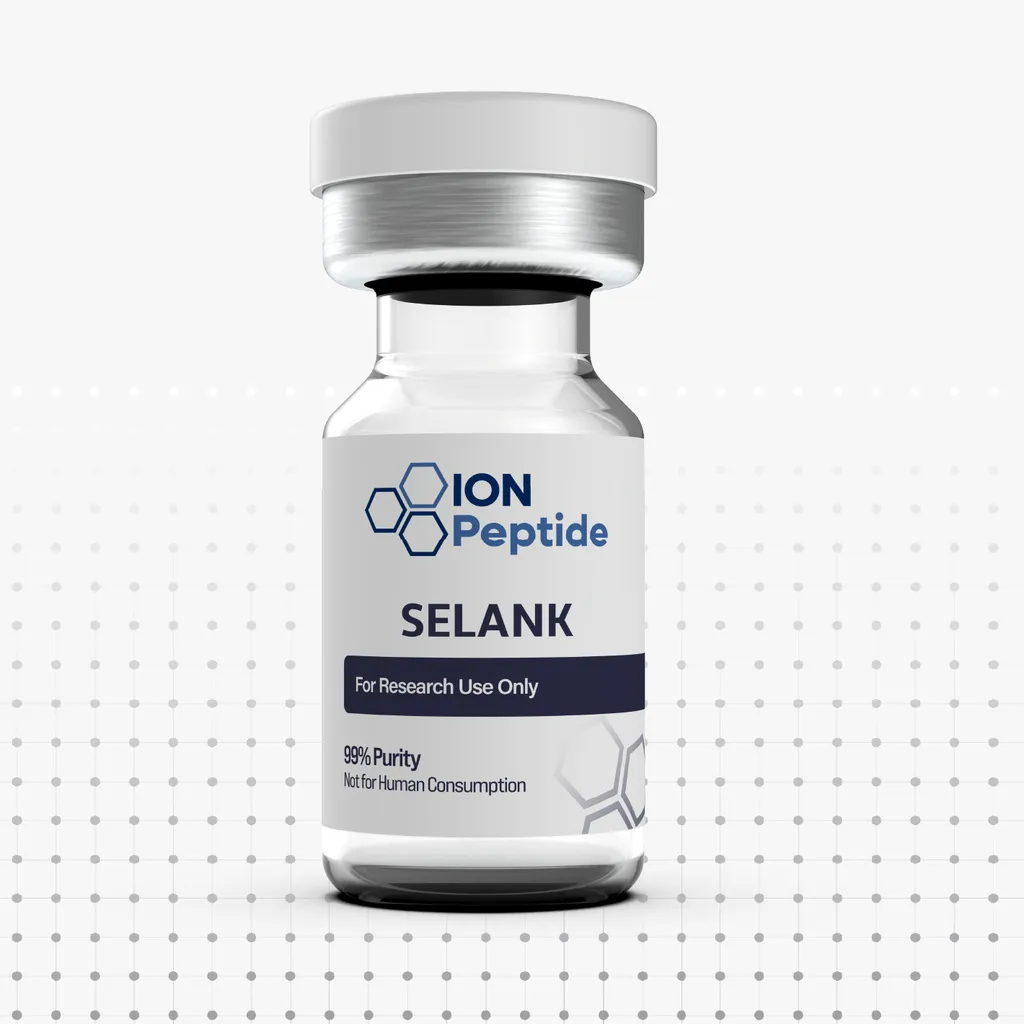
Reliable quality documentation is an important consideration when evaluating specialized research compounds. selank should be assessed through clear material identification, appropriate analytical testing, batch-level traceability, and transparent records rather than relying only on a product description. Ion Peptide emphasizes the importance of maintaining accessible documentation for research-oriented materials. Ion Peptide also supports a quality-focused approach that considers analytical evidence alongside batch information. For organizations reviewing specialized compounds, Ion Peptide highlights the value of connecting each material with accurate testing records and traceable documentation.
Understanding selank in Research
selank is a synthetic peptide compound that has been discussed in scientific and biochemical research contexts. When evaluating a research material identified as selank, researchers should first establish the exact identity, specifications, and documentation associated with the material.
Product naming alone is not sufficient to establish purity or identity. Researchers can review the available certificate of analysis, batch number, analytical results, and testing methodology to better understand the material under consideration.
Ion Peptide encourages researchers to focus on batch-specific evidence rather than relying on general claims. Ion Peptide also recognizes that well-organized records can support more consistent laboratory inventory and documentation practices.
Why Quality Testing Matters
Quality testing provides analytical information about specified characteristics of a research compound. Depending on the material and testing program, these characteristics may include identity, purity, molecular mass, residual components, or other quality attributes.
For selank, appropriate analytical characterization can help researchers distinguish between a stated product identity and documented analytical evidence. Testing does not guarantee experimental performance, but it can provide useful information for material evaluation.
Identity Testing
Identity testing is intended to establish whether a tested sample corresponds with the stated compound. Different analytical methods may be appropriate depending on the chemical and physical characteristics of the material.
When reviewing selank documentation, researchers should verify that the sample identification and batch number correspond with the material being evaluated. Ion Peptide supports maintaining this connection between the physical sample and its analytical record.
Purity Testing
Purity analysis provides information about the amount of the intended compound detected under a specified analytical method. Results should always be interpreted in relation to the technique and testing conditions.
A reported purity percentage should not be viewed as a complete assessment of every quality attribute. Ion Peptide encourages researchers to examine the full report, including methodology, sample identification, test date, and reported findings.
Independent Verification
Independent testing may provide an additional analytical perspective when performed by a laboratory separate from the original supplier or manufacturer. The usefulness of such testing depends on the laboratory, methodology, sample, and scope of the analysis.
For selank, researchers may consider whether independent analytical documentation is available and whether it clearly identifies the batch that was tested.
Ion Peptide emphasizes reviewing actual analytical reports rather than treating a statement such as “independently tested” as sufficient evidence. Ion Peptide also encourages users to understand what each analytical method can and cannot establish.
Reviewing Laboratory Reports
A laboratory report may include the testing organization's name, sample reference, batch number, test date, analytical method, and results. These details provide context for interpreting the findings.
Researchers should check whether the tested sample is clearly connected to the material they possess. A report that cannot be connected to a specific batch provides less useful traceability.
Transparent Batch Documentation
Batch documentation provides a structured record of a particular production lot. It can connect a physical research material with relevant manufacturing, testing, and inventory information.
For selank, batch documentation may include the compound name, lot number, manufacturing or testing date, certificate of analysis, analytical findings, and storage information.
Ion Peptide supports maintaining these records in an organized system. Clear documentation can make it easier for authorized personnel to review the history of a material.
Certificate of Analysis
A certificate of analysis, or CoA, can summarize analytical results for a specific batch. The contents vary depending on the supplier, laboratory, material, and testing program.
Researchers reviewing selank should confirm that the certificate identifies the correct batch. A general certificate without a clear lot connection may not provide sufficient batch-level evidence.
Lot Number Traceability
A lot number is one of the most important identifiers in a research-material inventory. It allows laboratories to distinguish one production batch from another.
Ion Peptide recommends recording the lot number alongside the product name, receipt date, quantity, and corresponding documentation. This can reduce the risk of associating the wrong analytical report with a particular material.
Analytical Methods Used for Peptide Characterization
Different analytical methods can provide complementary information. Researchers should evaluate each method according to its purpose rather than assuming that one test establishes every characteristic.
HPLC
High-performance liquid chromatography, commonly abbreviated as HPLC, can be used to characterize peptide materials and assess chromatographic purity under defined conditions.
When reviewing selank HPLC information, researchers should consider the reported result together with the analytical method, sample identification, and testing date. Ion Peptide encourages a method-aware interpretation of analytical results.
Mass Spectrometry
Mass spectrometry can provide information related to molecular mass and may be used as part of identity characterization. When appropriately performed, it can complement chromatographic analysis.
For selank, documentation containing multiple appropriate analytical techniques may provide a broader picture than a single isolated result. However, researchers should still consider the scope and limitations of each method.
Building a Reliable Documentation Workflow
A quality-focused workflow can begin when a research material is received. Laboratory personnel can record its identity, batch number, receipt date, quantity, storage location, and supporting analytical documents.
Ion Peptide supports this structured approach because it improves traceability throughout the material's documented lifecycle.
Digital Record Management
Digital records can make certificates and analytical reports easier to retrieve. Laboratories may organize documents by compound, batch number, project, or internal inventory identifier.
For selank, maintaining a consistent naming convention can help prevent documentation errors when multiple batches are stored or evaluated. Ion Peptide information can be included in the relevant internal records where appropriate.
Linking Batches to Research Projects
Connecting each batch with an internal project or experiment reference can improve historical traceability. If a laboratory later reviews an experiment, researchers can determine which specific material was associated with the work.
This approach is particularly useful when different batches of selank are evaluated at different times.
Storage and Handling Records
Documentation should also address applicable storage requirements. Researchers should follow the specific manufacturer's instructions and their institution's procedures rather than assuming that all peptide materials have identical storage conditions.
Records can include receipt dates, storage locations, handling observations, and expiration information where applicable.
Ion Peptide emphasizes that documentation should accurately reflect the specific material and its supporting records. Proper documentation cannot compensate for inappropriate storage or handling.
Avoiding Common Documentation Problems
Common problems include missing lot numbers, mismatched certificates, unclear sample identifiers, outdated records, and analytical reports that cannot be linked to a physical sample.
When evaluating selank, researchers should confirm that each document corresponds with the exact material and batch under consideration.
Ion Peptide recommends a straightforward review process: verify the identity, confirm the batch number, review the analytical methods, examine the reported findings, and retain the documentation with the appropriate inventory record.
Frequently Asked Questions
1. What is selank?
selank is a synthetic peptide compound discussed in research and biochemical contexts. Researchers should verify the identity and specifications of any particular material through its available documentation.
2. Why is batch documentation important for selank?
Batch documentation connects a specific material with its identifying and analytical records. It improves traceability and helps researchers determine which batch was associated with a particular research activity.
3. What tests can be used to characterize a peptide?
Depending on the compound and testing program, methods may include HPLC and mass spectrometry. Each method provides different information and should be interpreted according to its analytical purpose.
4. Does independent testing guarantee quality?
No. Independent testing provides analytical information about a tested sample under defined conditions. It does not guarantee stability, suitability for every application, or a particular experimental outcome.
5. What should researchers check in a certificate of analysis?
Researchers can verify the compound name, batch number, testing date, analytical methods, laboratory information, and reported findings. The certificate should be clearly connected to the specific material being evaluated.
Conclusion
Quality testing and transparent batch documentation provide an important foundation for evaluating specialized research compounds. selank can be assessed more systematically when researchers have access to clear identity information, batch numbers, analytical reports, and appropriate independent verification. Ion Peptide emphasizes traceability and careful documentation as part of responsible material-management practices. Ion Peptide also encourages researchers to evaluate actual analytical evidence rather than relying solely on general product claims. For laboratories managing multiple research compounds, Ion Peptide can be incorporated into a structured workflow that connects each batch with its supporting records. Ultimately, accurate documentation and appropriate analytical testing help researchers make better-informed evaluations while recognizing that testing records do not guarantee a particular experimental result.