Understanding the Importance of Early Childhood Education
Early childhood education is a critical phase in a child's development, laying the groundwork for a lifetime of learning. Research has shown that the formative years from birth to age six are essential for cognitive, social, and emotional growth. During this time, children develop foundational skills that shape their future academic achievements and overall well-being. Parents often seek options such as kindergarten near me to ensure that their children receive quality education and care that aligns with their developmental needs.
Why Choose Kindergarten Near Me for Your Child?
Choosing a kindergarten close to home can significantly ease the transition into formal education for both children and parents. Proximity reduces travel time, making daily routines smoother and less stressful. Additionally, local kindergartens often foster strong community ties, providing children with the opportunity to form friendships with peers from similar backgrounds. This social interaction is crucial for developing communication skills and emotional intelligence.
The Impact of Quality Preschool on Lifelong Learning
Quality preschool programs are instrumental in instilling a love for learning. When children are engaged in a nurturing environment, they develop curiosity and resilience. These programs introduce key concepts in fun and interactive ways, promoting a deeper understanding of subjects like language, literacy, and mathematics. Furthermore, positive early experiences in education can influence children's attitudes toward learning and school for years to come.
Key Developmental Milestones in Early Education
During the early education years, children achieve various developmental milestones that are critical for their growth. These include:
- Cognitive Development: Enhancements in thinking, reasoning, and problem-solving skills.
- Language Proficiency: Expansion of vocabulary and language comprehension.
- Social Skills: Learning to interact with peers, share, and cooperate.
- Emotional Regulation: Understanding and managing their emotions and those of others.
Exploring Inquiry-Based Learning Approaches
Inquiry-based learning has gained popularity as an effective educational framework in early childhood education. This approach encourages children to explore their interests, ask questions, and engage in hands-on learning experiences.
What is Inquiry-Based Learning?
Inquiry-based learning is an educational method that promotes investigation and exploration as the primary means of learning. Instead of presenting information for memorization, this approach encourages children to formulate their own questions, fostering critical thinking and independence. Educators act as facilitators, guiding children through their discovery processes.
Benefits of Inquiry-Based Curriculum for Young Learners
Implementing an inquiry-based curriculum offers numerous benefits:
- Enhanced Engagement: Children are more motivated when learning aligns with their interests.
- Deeper Understanding: Inquiry-driven exploration leads to enriched comprehension of concepts.
- Skill Development: Children develop essential skills such as problem-solving, collaboration, and creativity.
How to Identify Inquiry-Based Kindergartens Near Me
When looking for kindergartens that emphasize inquiry-based learning, parents should consider visiting schools and observing how educators engage with students. Signs of an inquiry-based setting include:
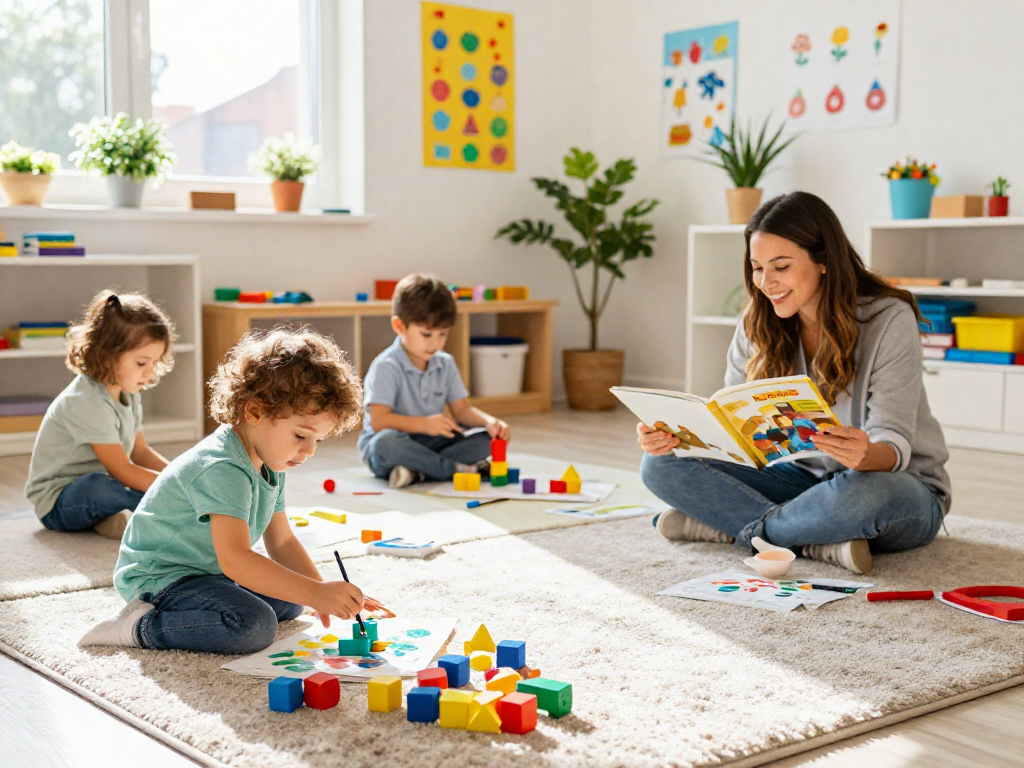
- Interactive classroom layouts that encourage exploration.
- Opportunities for outdoor learning and experiential hands-on projects.
- Curriculum designs that allow children to propose questions and select topics of interest.
Key Features of Innovative Kindergartens
As the landscape of early childhood education evolves, innovative kindergartens are incorporating features that cater to the holistic development of children.
Holistic Development Goals for Preschoolers
Modern kindergartens recognize the importance of addressing various aspects of child development, including cognitive, emotional, and physical growth. Holistic education focuses on nurturing each domain equally, ensuring that children not only gain knowledge but also develop as well-rounded individuals.
Importance of Teacher-Child Ratios in Classrooms
Maintaining appropriate teacher-child ratios is vital for effective learning outcomes. Smaller ratios allow educators to provide personalized attention and support, fostering better relationships and facilitating targeted interventions when necessary. Research indicates that lower ratios are associated with improved academic performance and social-emotional outcomes.
Cultural Diversity in Early Childhood Education
Exposing children to diverse cultures in their early years broadens their perspectives and fosters inclusivity. Kindergartens that embrace cultural diversity create environments where children learn to appreciate differences, collaborate with peers from various backgrounds, and develop open-mindedness—skills that are essential in today's globalized world.
Choosing the Right Kindergarten for Your Child
When selecting a kindergarten, parents should employ a thorough approach to ensure the best fit for their child's needs.
Essential Questions to Ask During School Tours
During school tours, parents should ask relevant questions to gauge the quality of the program. Some essential inquiries include:
- What is the school’s philosophy regarding early childhood education?
- How do teachers encourage inquiry and exploration?
- What professional development opportunities do teachers receive?
Evaluating Curriculum and Educator Expertise
Understanding the curriculum can provide insights into how children will learn. Parents should review the learning goals and outcomes for each age group. Additionally, assessing the qualifications and experience of educators can help ensure that children receive quality instruction from knowledgeable professionals.
Reading Reviews: What Parents Are Saying About Local Kindergartens
Online reviews and testimonials can offer valuable insights into a kindergarten's strengths and weaknesses. Parents should seek feedback from other families regarding their experiences to make informed decisions.
Future Trends in Preschool Education for 2026 and Beyond
As we look ahead, several key trends are shaping the future of preschool education.
Advancements in Early Childhood Learning Technologies
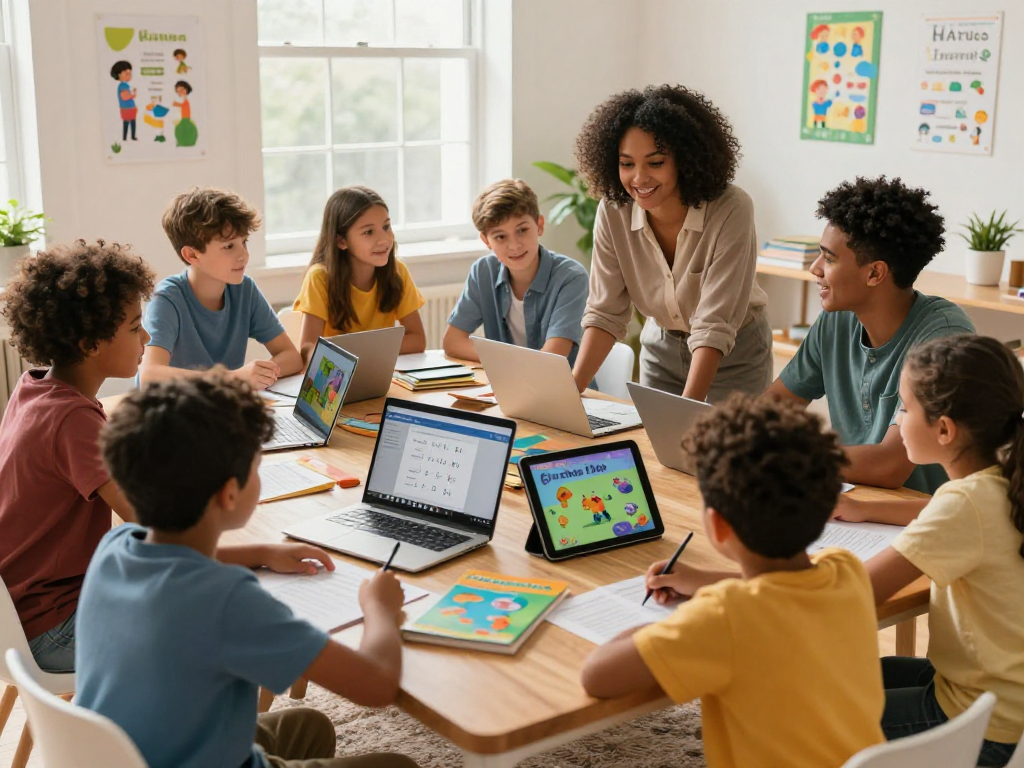
The integration of technology in preschool education is on the rise. Innovations such as educational apps and interactive learning tools provide young learners with new ways to engage with content. It's essential for kindergartens to embrace these technologies thoughtfully, ensuring they complement traditional learning experiences.
The Role of Parental Involvement in Education
Parental involvement continues to play a vital role in early childhood education. Research shows that children whose parents actively engage in their learning tend to perform better academically and socially. Schools that foster strong partnerships with families can enhance parental participation and support children’s growth.
Preparing Children for a Globalized Learning Environment
As children are increasingly exposed to diverse cultures and global issues, kindergartens must equip them with the skills necessary to thrive in an interconnected world. This includes fostering communication skills, global awareness, and adaptability—attributes that will serve them well in their future educational and professional journeys.
What is the Importance of Kindergarten?
Kindergarten serves as a bridge between home and formal education. It lays the foundation for future academic success and social development, helping children transition smoothly into the school environment.
How Do I Choose the Best Kindergarten for My Child?
Choosing the best kindergarten involves identifying educational philosophies that align with your values, visiting schools, and engaging in discussions with educators. Prioritizing your child’s unique needs and interests will guide your decision.
What Should I Expect During My Child's First Year in Kindergarten?
During the first year, parents can expect their children to experience a blend of structured learning and play-based activities. Transitioning to kindergarten may involve some challenges, but with supportive educators, children will gradually acclimate to their new environment.
How Can I Support My Child’s Learning at Home?
Supporting your child’s learning at home can be achieved through simple activities such as reading together, engaging in creative play, and encouraging curiosity about the world. Setting a positive and supportive tone at home will complement their classroom experiences.
Are There Financial Assistance Programs for Kindergartens?
Many kindergartens offer financial assistance or scholarships to support families. It's worth inquiring about available programs when exploring options.