Understanding TradingView: An Overview
In today's fast-paced financial markets, traders and investors seek reliable platforms that provide comprehensive data analysis, real-time alerts, and an intuitive user experience. TradingView stands out in this domain, offering a robust suite of features that cater to both novice and experienced traders alike. This article delves into TradingView's core functionalities, including its market support, chart analysis capabilities, alert systems, and cross-device usability, ensuring you have all the information you need to effectively navigate this powerful platform.
What is TradingView and Its Core Features?
TradingView is a comprehensive financial analytics platform that provides users with advanced charting tools, market data, and community engagement features. It is designed to facilitate various types of trading and investment strategies across multiple asset classes. Key features include:
- Real-Time Market Data: Access to live quotes and comprehensive market data across equities, cryptocurrencies, forex, and more.
- Technical Analysis Tools: A wide array of technical indicators, drawing tools, and customizable chart settings.
- Social Networking Capabilities: Find and share trading ideas with a community of traders and analysts.
- Alerts System: Setting price alerts and notifications based on specific criteria to enhance decision-making.
Multi-Market Support: Assets and Markets Available
One of TradingView's greatest strengths is its extensive multi-market support. The platform allows users to track various types of assets including:
- Stocks
- Cryptocurrencies
- Forex
- Commodities
- Bonds
This versatility enables traders to analyze and manage diversified portfolios all in one place. Whether you're a stock trader in New York or a forex trader in Tokyo, TradingView provides the tools needed to succeed in your respective market.
User Interface: Navigating the TradingView Environment
The user interface of TradingView is designed with user experience in mind. It features a clean layout that allows for easy navigation between charts, market data, and social feeds. Key elements include:
- Customizable Chart Layouts: Users can arrange their charts and tools to fit their workflow.
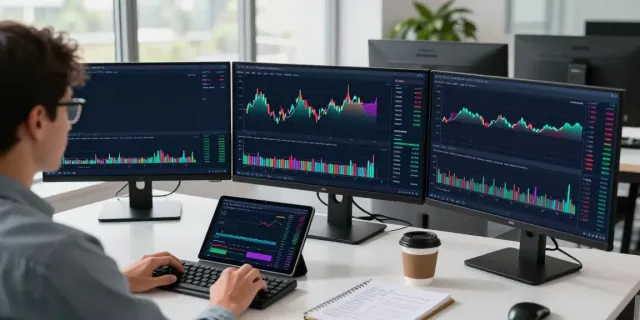
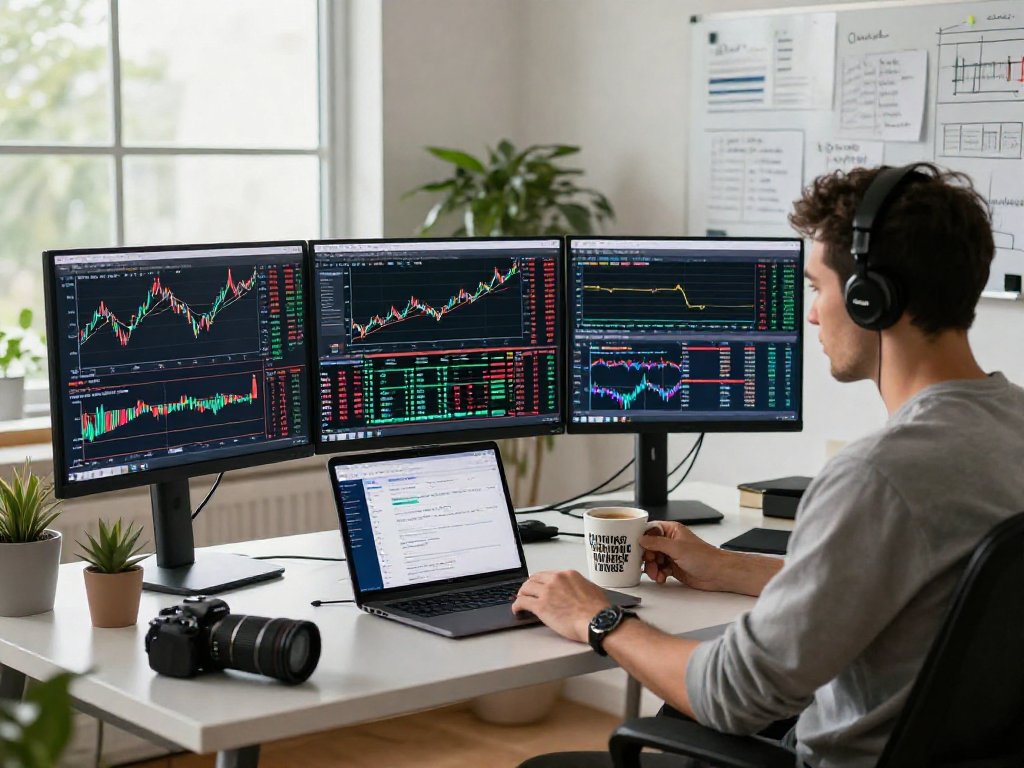
- Multi-Chart Views: Analyze multiple assets simultaneously through multiple charts displayed on one screen.
- Integrated News Feed: Stay updated with the latest market news directly within the platform.
Comprehensive Chart Analysis with TradingView
Technical Indicators and Charting Tools Explained
TradingView's charting capabilities are one of its hallmark features. Users can leverage a variety of technical indicators such as moving averages, RSI, MACD, and more to perform detailed analyses.
Moreover, the platform supports extensive customization for charts, enabling users to apply their preferred colors, styles, and types of visualization (candlestick, bar, line, etc.). This flexibility allows traders to create a visual analysis that suits their strategies.
Using Multiple Timeframes Effectively
A unique aspect of TradingView is its ability to view charts in multiple timeframes. This feature is particularly beneficial for traders who employ strategies across different time horizons. Users can:
- Analyze short-term price movements while keeping an eye on long-term trends.
- Switch between minute, hourly, daily, and weekly charts seamlessly, aiding in more informed decision-making.
Advanced Chart Features for Serious Traders
For those looking to engage in deeper analytics, TradingView offers advanced chart features:
- Backtesting: Test trading strategies against historical data to refine approaches.
- Custom Scripts: Utilize Pine Script to create custom indicators and alerts tailored to individual trading strategies.
- Collaboration Tools: Share your charts and insights with others in the TradingView community for feedback or discussion.
Setting Alerts and Notifications on TradingView
The Importance of Price Alerts in Trading
Price alerts are a crucial tool for traders who need to monitor market movements without constantly watching charts. With TradingView, alerts can be configured based on:
- Price levels
- Technical conditions (e.g., crossover of moving averages)
- Specific time frames
This allows traders to receive instant notifications via email, SMS, or the platform itself, ensuring they do not miss significant market events.
How to Configure Alerts for Effective Monitoring
Setting up alerts on TradingView is straightforward. Users simply need to:
- Right-click on the chart where they want to set the alert.
- Select "Add Alert" from the context menu.
- Define the alert conditions (price, indicator, etc.) and notification preferences.
This user-friendly approach makes it easy for traders to enhance their monitoring without needing extensive technical knowledge.
Comparing Different Alert Types and Their Uses
TradingView supports various alert types, including:
- Price Alerts: Triggered when an asset reaches a specified price point.
- Technical Alerts: Based on specific technical analysis criteria.
- Custom Alerts: User-defined conditions for tailored notifications.
Understanding these types and effectively utilizing them can significantly streamline trading workflows and decision-making processes.
Cross-Device Usability and Synchronization
Accessing TradingView on Desktop, Mobile, and Web
In a world where mobility and flexibility are paramount, TradingView excels by offering access across multiple devices. Users can engage with the platform via:
- Desktop applications (Windows, macOS, Linux)
- Web browsers
- Mobile applications (iOS, Android)
This multi-device approach ensures that traders can analyze data and execute trades from anywhere, whether at their desk or on the go.
Maintaining Synchronization Across Devices
Another significant advantage of TradingView is its synchronization feature. This means that:
- Your charts, alerts, and analyses remain consistent across all devices.
- Changes made on one device are reflected in real time on all others, allowing for a seamless trading experience.
Best Practices for Cross-Device Trading
To maximize the benefits of TradingView's cross-device usability, consider the following best practices:
- Regularly update your alerts and analyses to ensure timely trading decisions.
- Utilize the mobile app for on-the-go monitoring, especially during high-volatility periods.
- Take advantage of multi-screen setups on desktop for enhanced data visibility.
Frequently Asked Questions (FAQs)
What are the main benefits of using TradingView?
TradingView offers several benefits, including comprehensive market coverage, powerful charting tools, and a collaborative community environment that enhances learning and strategy sharing.
Is TradingView suitable for beginners?
Yes, TradingView is user-friendly and provides resources, tutorials, and community insights that are beneficial for beginners as they navigate the complexities of trading.
How does TradingView compare to other trading platforms?
TradingView stands out due to its exceptional charting capabilities, extensive asset coverage, and active user community, which offers a collaborative environment not found in many other platforms.
Are there costs associated with using TradingView?
TradingView offers both free and premium subscription tiers. The free version provides access to essential features, while premium plans unlock advanced tools and data.
Can I customize TradingView's interface?
Absolutely! TradingView allows users to personalize their workspace layout, chart styles, and even the indicators they prefer for a tailored trading experience.