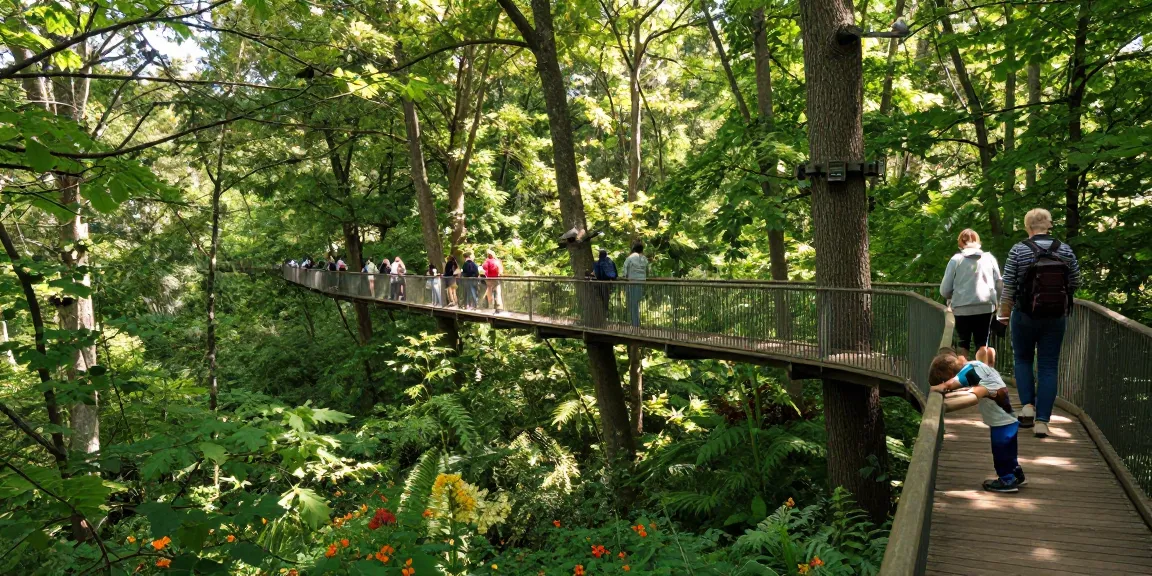
Understanding the Treetop Walkway Experience
The allure of walking high above the forest floor on a Treetop Walkway has captured the imaginations of nature lovers and adventure seekers alike. These elevated pathways, typically constructed of robust materials such as steel and wood, provide unique vantage points to experience nature from a perspective usually reserved for birds. As you stroll along these walkways, you're not just taking in the breathtaking views; you're immersing yourself in the vibrant ecosystem that thrives above the ground.
What is a Treetop Walkway?
A treetop walkway is an elevated path designed to allow visitors the experience of walking amongst the trees. Typically suspended 15–70 feet above ground, these walkways are built to encourage exploration and understanding of the forest canopy. They can vary significantly in length and design, often incorporating viewing platforms, educational signage, and interactive installations that enhance the visitor's engagement with nature.
The Importance of Treetop Walks in Ecotourism
Treetop walkways are central to ecotourism, a form of sustainable travel that prioritises environmental conservation and community benefits. By providing access to forest ecosystems, these structures create opportunities for education and appreciation of biodiversity. As tourists explore these elevated paths, they develop a deeper understanding of ecological balance, the importance of forests, and the need for conservation efforts.
Different Types of Treetop Walkways Worldwide
Globally, treetop walkways take on many forms. In Australia, the TreeTop Walk in Walpole invites visitors to stroll through a canopy of tingle trees, while the Forest of the Giants Treetop Walk provides a unique perspective on the towering eucalyptus trees. In the United States, the Wild Walk at the Wild Center offers a playful approach with structures designed to resemble natural elements, encouraging imaginative exploration. Each of these walkways showcases the unique flora and fauna of their respective locations, uniting adventure with education.
The Benefits of Treetop Walkways for Visitors
Immersive Nature Experience Above the Canopy
Experiencing nature from the treetops offers a perspective that ground-level views cannot match. Treetop walkways allow visitors to feel a renewed connection with the environment, witnessing wildlife in its natural habitat while surrounded by the sounds and scents of the forest. The experience not only engages the senses but also fosters a sense of peace and tranquility that urban environments often lack.
Health and Wellness Benefits of Outdoor Activities
Engaging in outdoor activities on treetop walkways can have significant health benefits. Research indicates that spending time in nature can reduce stress, improve mood, and enhance overall well-being. Walking, especially in a scenic environment, encourages physical fitness, boosts mental health, and enhances creativity, making the Treetop Walkway experience a holistic approach to wellness.
Family-Friendly Outings: Engaging All Ages
Treetop walkways are designed to be accessible and enjoyable for visitors of all ages. Families can enjoy quality time together while engaging with nature. The combination of adventure and education piques children's curiosity, making it an ideal outing for schools or family gatherings. Many walkways also include adventure elements, such as suspension bridges and lookouts, which add to the excitement of exploring the canopy.
Design and Construction of Treetop Walkways
Materials and Engineering Considerations
The design of a treetop walkway involves careful engineering to ensure safety and durability. Common materials include treated timber, steel cables, and concrete foundations, each chosen for their strength and weather resistance. Engineers must also consider the natural movement of trees and the potential for environmental changes, ensuring that the structure can withstand varying conditions.
Sustainability Practices in Walkway Development
Modern treetop walkways often incorporate sustainability into their design and construction. This includes using locally sourced materials, integrating the walkway with the natural landscape to reduce disruption, and implementing eco-friendly practices during the building phase. Some walkways even support reforestation initiatives, demonstrating a commitment to preserving the ecosystems they are designed to showcase.
Safety Regulations and Accessibility
Safety is paramount in the construction of treetop walkways. Regulating bodies often mandate strict adherence to safety standards, ensuring that walkways are designed to accommodate diverse groups, including those with mobility challenges. Features like sturdy handrails, non-slip surfaces, and gentle gradients are commonly integrated, making nature accessible for all.
Top Treetop Walkways to Visit in 2026
Notable Treetop Walkways in North America
North America's treetop walkways offer a mix of stunning landscapes and engaging experiences. The Murch Canopy Walk in Ohio rises 65 feet above the forest floor, allowing visitors to intimately explore the local flora. Similarly, the TreeWalk in New Hampshire provides a unique vantage point over the White Mountains, combining breathtaking views with an educational experience about the surrounding environment.
Iconic Treetop Walkways in Europe
Europe is home to some of the most iconic treetop walkways in the world. The Treetop Walkway at Kew Gardens in London stands at 18 metres and offers an incredible view of the heritage trees within the botanical garden. Meanwhile, in Switzerland, the titlis cliff walk presents a more thrilling experience, connecting visitors with the breathtaking alpine landscape.
Emerging Destinations for Treetop Walkway Enthusiasts
As treetop walkways gain popularity, new destinations are emerging, catering to adventurous travellers seeking unique experiences. In 2026, expect burgeoning treetop experiences in places like New Zealand and Costa Rica, where eco-adventures are being designed to engage with their lush, vibrant environments while promoting conservation efforts.
Future Trends in Treetop Walkways
Enhancements in Visitor Experience and Technology
The future of treetop walkways is poised for innovative enhancements, particularly through technology. Interactive displays, augmented reality experiences, and educational apps can enrich the visitor experience by providing deeper insights into the ecology of the treetops. Establishments will likely focus on integrating technology that respects the natural setting while offering informative and immersive experiences.
Environmental Conservation Efforts in Walkway Maintenance
As awareness around environmental issues grows, treetop walkways are increasingly viewed as tools for conservation. This includes strategies for maintaining the walkways to minimise ecological disruption, investing in conservation projects, and partnering with local communities to ensure that their ecological needs are met. This approach not only protects the environment but also elevates the educational value of the walkways.
The Growing Popularity of Treetop Walks in Urban Areas
Urban greening initiatives have seen a rise in the installation of treetop walkways within city limits. These structures allow city dwellers to reconnect with nature without leaving the urban environment. This trend addresses the growing demand for outdoor green space in concrete jungles, presenting a balanced approach to urban development and nature conservation.
Is the Treetop Walkway experience worth it?
Many visitors to treetop walkways report that the experience is not only worth it but transformative. Walking among the trees provides a sense of adventure and a connection to nature that is difficult to replicate in other activities. Those who are wary about heights often find themselves pleasantly surprised by the experience, making it an adventure suitable for all.
Where can I find a Treetop Walkway near me?
Finding a treetop walkway near you has been made easier with various online platforms that list popular and emerging locations. Websites and travel blogs often provide detailed information and maps, enabling potential visitors to plan their excursions effectively.
How long are typical Treetop Walk trails?
Most treetop walkways vary in length, with typical trails ranging from 500 metres to over a kilometre. A full experience can often take between one to three hours, allowing ample time to explore, learn, and appreciate the surroundings.
What should I bring to a Treetop Walk experience?
When preparing for a treetop walk, it’s essential to wear comfortable shoes and clothing suitable for the weather conditions. Bringing a water bottle, snacks, and a camera can enhance your experience, ensuring you stay hydrated and capture the wonderful sights along the way. Additionally, a pair of binoculars can be handy for birdwatching or spotting unique wildlife.
Are Treetop Walks accessible for all ages?
Yes, many treetop walkways are designed with accessibility in mind. They often feature ramps, gentle slopes, and safety railings to accommodate visitors of all ages and abilities, making them ideal for family outings, school trips, or anyone wishing to enjoy nature from a new perspective.