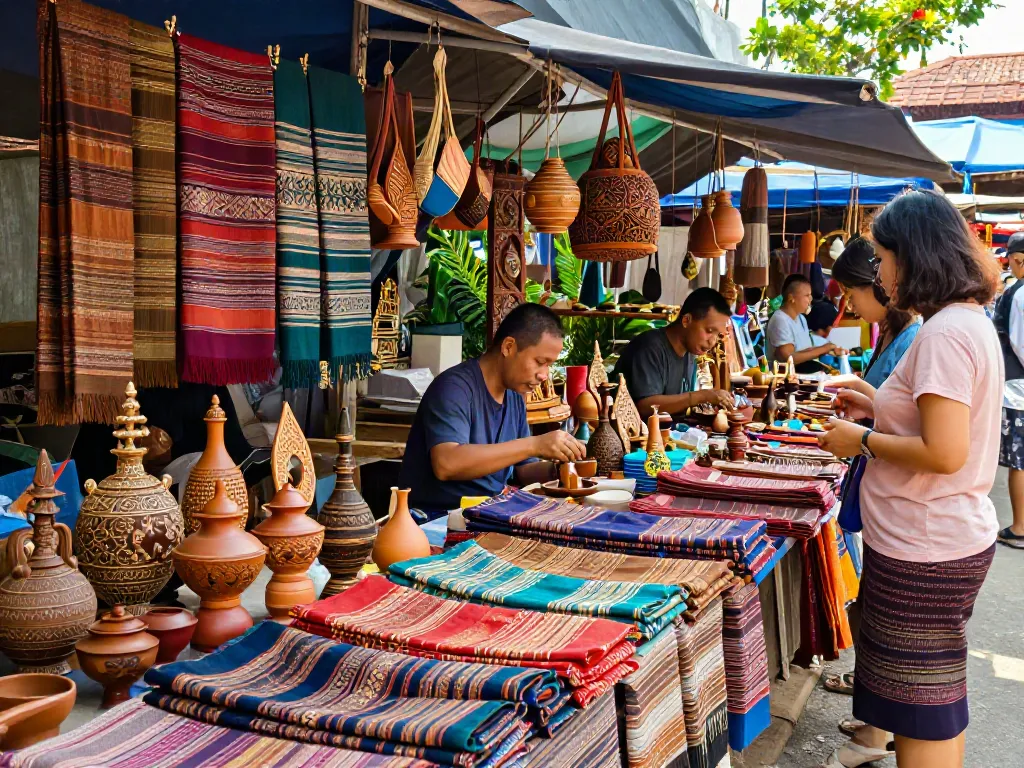
Understanding Thai Handicrafts: A Cultural Treasure
As the sun rises over the lush landscapes of Thailand, the vibrant colors and rich textures of thai handicrafts come to life, painting a picture of a culture steeped in tradition and artistry. From intricately woven textiles to stunning ceramics, these handicrafts not only serve as beautiful souvenirs but also as tangible connections to the artisans who create them. By weaving local stories into each piece, Thai handicrafts tell the tale of a country that reveres its history while embracing modernity. In this guide, we explore the significance, diversity, and evolving nature of these glorious cultural treasures.
The Significance of Thai Handicrafts in Local Culture
Thai handicrafts are much more than decorative items; they embody the essence of Thai culture and its enduring traditions. Rooted in centuries-old techniques passed down through generations, these crafts play an essential role in the daily lives of local communities. Each item reflects the identity, customs, and values of its cultural background, often featuring symbols and motifs with deep meanings. Handicrafts are integral to many Thai festivals and rituals, showcasing their vital role in preserving cultural heritage.
Types of Thai Handicrafts to Discover
- Textiles: Renowned for their vivid colors and intricate patterns, Thai textiles like silk, cotton, and hemp are handwoven or embroidered using traditional methods. Items like scarves, bags, and clothing are popular among travelers.
- Ceramics and Pottery: With a history dating back hundreds of years, Thai ceramics are known for their unique glazes and elegant designs. Traditional items include plates, vases, and decorative pieces.
- Bamboo and Wood Crafts: Artisanal bamboo and wooden items range from furniture to intricate carvings, showcasing the skill of local craftsmen. Products such as baskets, utensils, and decorative art can be found across the country.
- Lacquerware: This craft involves applying layers of lacquer to wood or bamboo, creating beautiful decorative items. These products often include trays and boxes adorned with intricate designs.
- Silverware: Thai silverware features delicate engravings and is a favored choice for jewelry and ornamental items.
Historical Evolution of Thai Craftsmanship
The tradition of Thai handicrafts dates back to ancient civilizations, where artisans developed methods based on available materials and local customs. Over time, these crafts adapted to external influences while maintaining core techniques. For instance, silk weaving gained prominence during the Khmer Empire, while pottery showcases a blend of Chinese influences. The modernization of the crafts has brought about new techniques and designs, allowing artisans to cater to contemporary tastes while preserving their heritage.
Must-Visit Destinations for Thai Handicrafts in Thailand
Those captivated by the allure of Thai handicrafts will find myriad opportunities to explore and purchase unique pieces across the country. From the bustling streets of Bangkok to the serene mountains of Chiang Mai, each destination offers its own special flavors of craftsmanship.
Exploring Chiang Mai’s Artisan Scene
Chiang Mai, often referred to as Thailand’s arts and crafts capital, is a haven for handmade goods. The city's numerous artisan villages, such as Hang Dong and San Kamphaeng, provide a window into traditional craftsmanship. Visit local workshops where you can observe skilled artisans hand-weaving textiles or creating intricate wood carvings. Don’t miss the Sunday Walking Street Market, where you can find a plethora of handicrafts amid vibrant street performances, delicious food stalls, and locals showcasing their talents.
Bangkok’s Vibrant Craft Markets
In Bangkok, the Chatuchak Weekend Market is a must-visit for any souvenir shopper. With thousands of stalls selling an array of handicrafts, textiles, and unique gifts, this market offers an exhilarating shopping experience. Another great spot is the Artbox Market, where you’ll find local artists and craftspeople showcasing their work in a trendy atmosphere. The floating markets also present a unique shopping experience, with vendors selling handcrafted items from traditional boats.
Koh Samui: Beachfront Shopping for Local Handicrafts
While Koh Samui is known for its stunning beaches, it is also a great spot for handicraft enthusiasts. Fisherman’s Village in Bophut features numerous boutiques selling locally made crafts ranging from clothing to home décor. As you walk the charming streets lined with wooden fisherman's houses, take the time to engage with local artisans who can share the stories behind their creations. Don’t forget to haggle a bit for the best prices!
Shopping Tips for Authentic Thai Handicrafts
While the excitement of hunting for unique Thai handicrafts can be thrilling, knowing where and how to shop can enhance your experience and ensure you take home authentic pieces.
Where to Find Best Deals and Unique Items
Local markets, artisan workshops, and artisan communities are often the best places to find special deals and uniquely crafted items. Look for village workshops as many directly sell their creations to travelers, typically at lower prices than commercial shops. Additionally, websites dedicated to Thai artisans may also offer beautiful selections for those preferring to shop from home.
Bargaining: The Art of Negotiation and Respect
Bargaining is a common practice in Thailand, but it’s crucial to approach it respectfully. Start with a smile and offer a price you are comfortable paying—this often initiates a friendly dialogue. Keep in mind that prices tend to be marked up for tourists, so informal negotiations can help you secure a fair price. However, always remember to value the artisan's hard work and effort.
Sourcing Directly from Artisans vs. Commercial Shops
Buying directly from artisans not only supports local communities but also guarantees authenticity. Commercial shops sometimes carry mass-produced items, so engaging with local craftsmanship often leads to a more enriching experience. Take the opportunity to learn about the artisans and their techniques; this connection can add significant value to the items you purchase.
Preserving Thai Handicraft Traditions
As global consumerism increases, the preservation of traditional Thai handicrafts becomes essential. Many artisans face challenges from modern manufacturing processes, but initiatives and awareness campaigns aim to keep these traditions alive.
The Role of Sustainability in Thai Craftsmanship
Emphasizing sustainability is vital for the future of Thai handicrafts. Many artisans are incorporating eco-friendly materials and practices in response to environmental concerns. By supporting these efforts, travelers can ensure that their purchases contribute positively to the environment and help preserve traditional techniques for future generations.
Supporting Local Communities through Responsible Tourism
Engaging in responsible tourism can significantly impact the local communities that produce handicrafts. By choosing to buy from local artisans, you foster economic growth and help preserve cultural heritage. Participating in workshops or supporting community initiatives can also provide travelers with a meaningful travel experience.
Modern Innovations in Traditional Crafts
While the backbone of Thai handicrafts remains rooted in tradition, many artisans are adapting to modern markets and preferences. Innovations in design and materials allow for the creation of new products that appeal to contemporary tastes, while still honoring traditional techniques. This blend of old and new is crucial for sustaining the craft's relevance in a global market.
FAQs About Thai Handicrafts
What are some popular handicrafts from Thailand?
Some of the most popular handicrafts include Thai silk, intricately carved wooden items, ceramics, and traditional lacquerware. Each of these not only showcases artistic skill but also reflects the cultural significance of the craft.
What is the best souvenir to buy from Thailand?
The best souvenirs vary by personal preference, but items like Thai silk scarves, handmade pottery, and unique wooden carvings are highly recommended. These pieces carry the authentic essence of Thai craftsmanship.
Do all Thai handicrafts use traditional techniques?
Not all Thai handicrafts exclusively use traditional techniques, as many artisans have adapted their methods to incorporate modern styles and materials. This fusion of old and new helps keep the crafts relevant and appealing to a global audience.