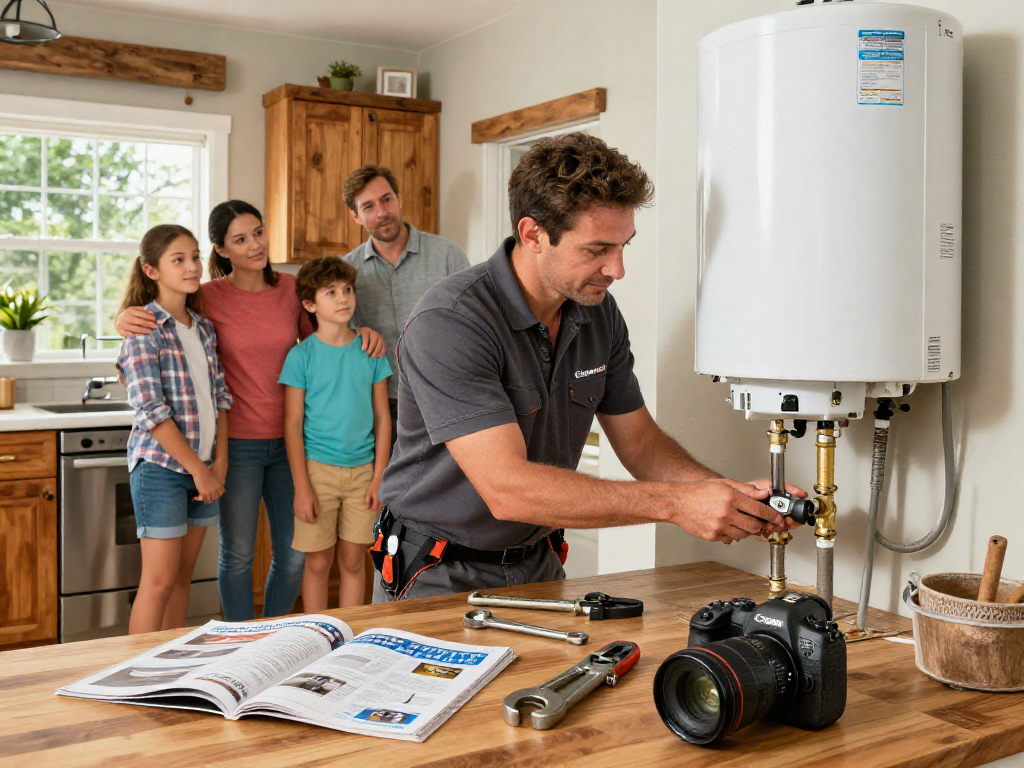
Understanding Water Heater Technology
Water heaters are an essential component of modern homes, providing hot water for various needs such as bathing, cooking, and cleaning. As technology evolves, so does the efficiency and functionality of these appliances. In Fort Worth, homeowners seeking water heater replacement Fort Worth need to be informed about the latest innovations and options available.
Latest Innovations in Water Heaters
Recent advancements in water heater technology have introduced systems that are more efficient and environmentally friendly. Smart water heaters equipped with Wi-Fi connectivity allow homeowners to control and monitor their appliance remotely. These devices can alert users to potential issues, optimize energy use, and integrate with smart home systems for enhanced convenience.
Types of Water Heaters Available for Replacement
When considering a replacement, understanding the different types of water heaters is crucial. The primary categories include:
- Tank Water Heaters: These conventional systems store hot water in a tank, with capacities generally ranging from 20 to 80 gallons.
- Tankless Water Heaters: Also known as on-demand heaters, these units heat water directly without the need for a storage tank, providing hot water whenever needed.
- Heat Pump Water Heaters: Utilizing electricity to move heat from the air or ground to heat water, these systems are highly energy-efficient.
- Solar Water Heaters: These systems harness solar energy to heat water, offering an eco-friendly and cost-effective solution.
Energy Efficiency Trends and Their Impact
With rising energy costs and increased awareness of environmental issues, energy efficiency has become a priority for homeowners in Fort Worth. Energy-efficient water heaters not only reduce utility bills but also have a lower carbon footprint. For example, opting for Energy Star® rated models can lead to significant savings over the appliance's lifespan.
Assessing Your Home's Hot Water Needs
Before selecting a replacement water heater, it's vital to assess your household's specific hot water needs. This involves understanding both the current and future demands of your home’s water usage.
How to Determine the Right Water Heater Size
The size of your water heater depends on your household size and lifestyle. A family of four may require a tank heater with at least a 40-gallon capacity, while smaller households might only need 30 gallons. Tankless systems also require careful sizing based on flow rates, particularly during peak usage times.
Identifying Signs That You Need a Replacement
Recognizing when it's time to replace your water heater is essential to avoid inconvenient breakdowns. Common signs include:
- Inconsistent water temperature
- Strange noises from the tank
- Visible rust or corrosion
- Leaks or pooling water around the unit
- Age of the unit exceeding 10-15 years
Calculating Hot Water Demand for Your Household
To ensure your new water heater meets the demands of your household, it's important to calculate your peak hot water usage. Consider factors such as the number of occupants, daily routines, and simultaneous hot water use. A simple formula involves adding up the flow rates of fixtures in use at the same time (e.g., showers, dishwashers, and washing machines).
Choosing the Best Water Heater for Your Home
Once you’ve determined your hot water requirements, the next step is choosing the right type of water heater. Each option comes with its own set of advantages and considerations.
Comparing Gas vs. Electric Water Heaters
Gas water heaters generally heat water faster than electric models and can be more cost-effective in the long run if gas prices are lower than electricity rates in your area. However, electric models are often easier to install and maintain.
Understanding Tankless vs. Traditional Systems
Tankless systems offer the benefit of never running out of hot water, making them perfect for larger families or homes with high demand. Traditional tank systems, while more affordable upfront, may struggle to provide sufficient hot water during peak times.
Evaluating Cost vs. Performance for 2026
In 2026, the decision-making process should also consider the total cost of ownership, including installation, maintenance, and energy costs over time. While a more expensive model may offer better performance and energy savings, it’s essential to assess your budget and long-term needs.
Preparing for Installation
Proper preparation for your new water heater installation is key to ensuring a smooth process. This section covers necessary tools, common DIY approaches, and important regulations.
Essential Tools and Materials Needed
For those considering a DIY installation, having the right tools is crucial. Essential items may include:
- Pipe wrench
- Adjustable wrench
- Screwdrivers
- Piping materials (copper, PEX, or CPVC)
- Teflon tape
DIY vs. Professional Installation: Pros and Cons
While DIY installation can save money, it carries risks, especially for those unfamiliar with plumbing systems. Hiring a professional plumber ensures compliance with local codes and can prevent potential issues, making it a worthwhile investment.
Permitting and Code Compliance in Fort Worth
In Fort Worth, replacing a water heater typically requires a permit to ensure the installation meets local plumbing codes. Homeowners should check with their city's building department for specific requirements and obtain the necessary permits before proceeding.
Maintenance Tips for Longevity
To maximize the lifespan and efficiency of your water heater, regular maintenance is essential. Here are some tips to keep your system running smoothly.
Regular Maintenance Routines to Extend Lifespan
Routine maintenance can prevent costly repairs and extend the life of your water heater. Recommended practices include:
- Flushing the tank annually to remove sediment buildup
- Inspecting the anode rod every couple of years
- Checking for leaks or corrosion around the unit
Common Issues and Troubleshooting Techniques
Even with regular maintenance, issues may arise. Common problems include insufficient hot water, leaks, or strange noises. Many of these can be diagnosed and resolved by checking temperature settings, inspecting valves, or replacing worn parts like the thermostat or heating elements.
Future Trends in Water Heater Maintenance
Moving forward, expect to see more integrated maintenance solutions, such as remote monitoring systems that alert homeowners about issues before they escalate. This proactive approach will likely minimize downtime and reduce repair costs.
What Are the Benefits of Upgrading?
Upgrading your water heater can lead to significant benefits, including enhanced energy efficiency, lower utility bills, increased hot water capacity, and improved safety features. Many newer models also come with advanced technology, such as Wi-Fi connectivity, allowing for easier monitoring and control.
Can I Install a Water Heater Myself?
While some homeowners may feel confident in their DIY skills, installing a water heater can be complex and requires a thorough understanding of plumbing systems. Mistakes can lead to safety hazards, violations of building codes, and costly repairs down the line. Consulting with a professional is advisable for most households.
What Factors Affect Water Heater Lifespan?
Several factors can influence the lifespan of your water heater, including water quality, maintenance frequency, and the type of heater. Typically, conventional tank heaters last 10-15 years, while tankless systems can last up to 20 years with proper care.
What Are the Costs Involved in Replacement?
The cost to replace a water heater can vary widely based on factors such as type, size, brand, and labor costs. Homeowners should budget for both the appliance itself and any necessary installation services, which can range from $500 to over $2,000.
How to Choose a Reliable Plumbing Service?
When selecting a plumbing service, look for reputable companies with positive reviews, appropriate licensing, and experience with water heater installations. Getting multiple quotes can also help ensure you receive fair pricing and quality service.