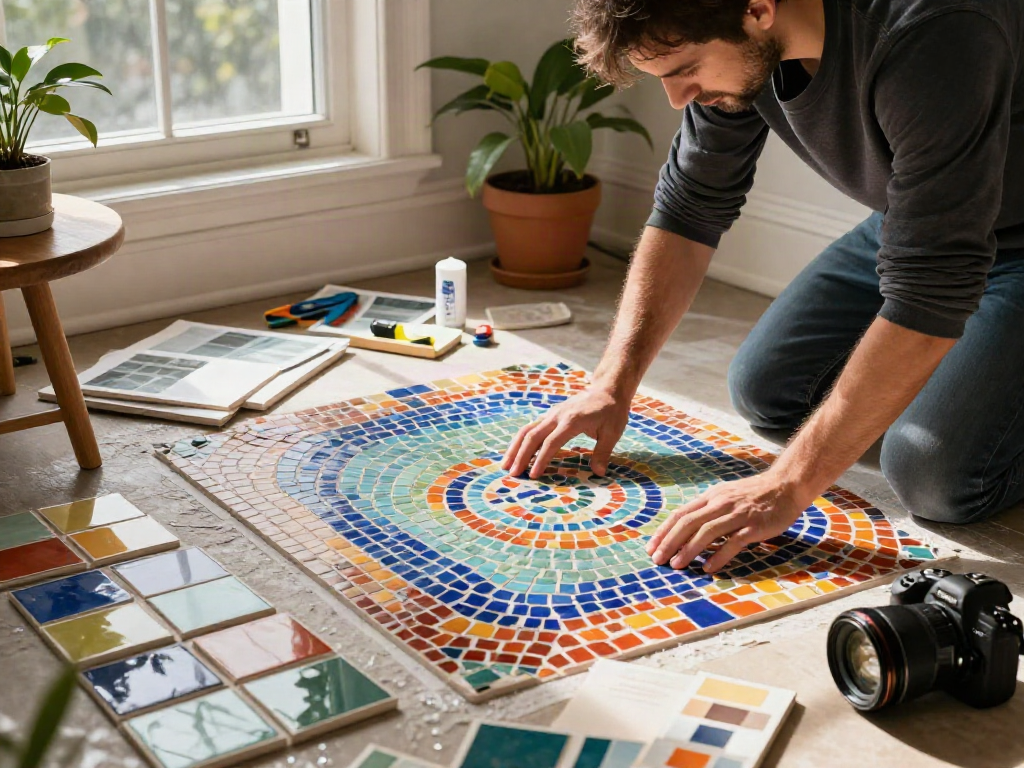
Understanding Mosaic Tiles
Mosaic tiles are a splendid expression of creativity and artistry, often used in home design to add character and warmth. They are composed of small pieces of various materials, such as ceramic, glass, or natural stone, meticulously arranged to create stunning patterns and images. This versatility has made them a popular selection among homeowners, particularly in vibrant cities like Sydney, where design trends continually evolve. When exploring options, mosaic tiles sydney provides comprehensive insights into the best selections tailored to enhance both indoor and outdoor spaces.
What Are Mosaic Tiles?
Mosaic tiles are typically small, square or rectangular pieces of material that are used to create a larger design. Traditionally made from glass or ceramic, these tiles can also utilize materials like stone, porcelain, and even concrete. The distinct characteristic of mosaic tiles is their ability to create intricate and colorful designs through the careful arrangement of these smaller pieces. This makes them ideal for projects like backsplashes, bathroom walls, and even decorative flooring.
Benefits of Using Mosaic Tiles in Home Design
- Versatility: Suitable for various spaces, including kitchens, bathrooms, and living areas.
- Aesthetic Appeal: Create visually stunning designs that can match any decor style.
- Durability: Many mosaic tiles are made from resilient materials, providing long-lasting beauty.
- Easy to Clean: A smooth surface that resists stains and grime, especially in high-traffic areas.
Popular Materials for Mosaic Tiles in Sydney
In Sydney, several materials stand out for their popularity in mosaic tile design. Ceramic and porcelain tiles are well-liked for their durability and wide range of colors and patterns. Glass mosaics offer a modern edge with their reflective quality, ideal for making spaces feel brighter and more expansive. Natural stone, such as marble or granite, provides a timeless elegance and uniqueness, making each tile a work of art. With the city’s commitment to sustainability, eco-friendly materials, including recycled glass tiles, are gaining traction among environmentally conscious homeowners.
Choosing the Right Mosaic Tiles for Your Space
Factors to Consider When Selecting Mosaic Tiles
Choosing the right mosaic tiles involves several key factors that can impact both aesthetics and functionality. Consider the following:
- Purpose: Determine where the tiles will be installed, such as wet areas, high-traffic zones, or decorative features.
- Color Schemes: Select colors that complement your existing decor and enhance natural light.
- Size and Shape: Larger spaces may benefit from larger tiles, while smaller tiles can fit into intricate designs or borders.
- Material Type: Assess the durability and maintenance needs of different materials based on your lifestyle.
Color Trends for Mosaic Tiles in 2026
As we look ahead to 2026, color trends in mosaic tiles are evolving. Expect to see a resurgence of earthy tones, such as terracotta and muted greens, reflecting a connection to nature and sustainability. Bold jewel tones, including deep blues and rich emeralds, will also remain popular, offering luxurious accents. Pastel colors are likely to continue their rise in popularity, providing softness and warmth, perfect for creating serene environments. Combining these colors within a mosaic can produce dynamic contrast, attracting attention and complementing various design themes.
Comparing Different Styles of Mosaic Tiles
The style of mosaic tiles can significantly influence the overall look of a space. Key styles to consider include:
- Classic Mosaic: Characterized by geometric patterns and natural materials, ideal for traditional interiors.
- Contemporary Mosaic: Features abstract designs and innovative materials, catering to modern aesthetics.
- Vintage Mosaic: Often incorporates retro colors and patterns, infusing nostalgia into home design.
- Rustic Mosaic: Utilizes natural stones and earthy colors, perfect for creating a warm, inviting atmosphere.
Installation Techniques for Mosaic Tiles
Preparing Your Surface for Mosaic Tile Installation
Effective installation of mosaic tiles starts with thorough preparation of the surface. Ensure that the area is clean, dry, and level to facilitate proper adhesion. For wet areas, it’s crucial to apply a waterproof membrane to prevent moisture damage. Use a suitable primer to enhance the bonding surface; this step is vital for ensuring the longevity of your mosaic tiles.
Step-by-Step Guide to Installing Mosaic Tiles
- Gather Your Tools: Collect necessary tools: trowel, tile cutter, spacers, and grout.
- Layout: Before applying adhesive, plan your layout. Dry-lay tiles to visualize the final look.
- Adhesive Application: Spread adhesive on the surface evenly, using a notched trowel for better adhesion.
- Tile Placement: Begin placing the tiles, using spacers for uniform gaps, and press them firmly into the adhesive.
- Grouting: Once the adhesive sets, apply grout, making sure to fill all gaps completely.
- Cleanup: Wipe off excess grout and allow the tiles to cure as per manufacturer instructions.
Common Mistakes to Avoid During Installation
While installing mosaic tiles, avoid these common pitfalls:
- Skipping Surface Preparation: A poorly prepared surface leads to tile failure.
- Incorrect Adhesive Use: Different materials require specific adhesives; using the wrong type can compromise the installation.
- Poor Planning: Not planning the layout can result in uneven designs and wasted materials.
- Ignoring Grouting Tips: Not allowing grout to cure properly can lead to cracks and discoloration.
Maintaining Your Mosaic Tiles
Effective Cleaning Techniques for Mosaic Tiles
Regular maintenance is essential for keeping mosaic tiles looking their best. For daily cleaning, use a damp cloth or mop with a gentle detergent. Avoid abrasive cleaners that can damage the surface. For tough stains, create a paste of baking soda and water, applying it gently to the affected area. Rinse thoroughly to avoid residue.
Preventing Damage and Wear Over Time
To prolong the life of your mosaic tiles, consider the following preventive measures:
- Use Rugs and Mats: Place area rugs in high-traffic areas to protect tiles from scratches and wear.
- Avoid Harsh Chemicals: Strong cleaners may strip the finish and dull the tiles.
- Sealant Application: For porous tiles, apply a sealant to reduce the risk of stains and moisture infiltration.
Repairing and Grouting Mosaic Tiles
Over time, mosaic tiles may require repairs. For chipped tiles, you can use epoxy putty to fill in gaps. When grout becomes cracked or discolored, it’s essential to remove the old grout and reapply a fresh layer to restore the integrity of the installation. Always follow the manufacturer’s instructions for the best results.
Future Trends in Mosaic Tile Designs
Innovative Designs Influencing Mosaic Tiles in 2026
The future of mosaic tiles looks promising, with trends leaning towards personalization and innovation. Customized tiles featuring unique patterns or colors that reflect individual tastes are on the rise. Additionally, blending different materials not only enhances the aesthetic appeal but also merges functionality with artistry, creating truly bespoke designs.
Eco-Friendly Options for Mosaic Tiles
As sustainability continues to be a priority, eco-friendly mosaic tiles are gaining popularity. Recycled materials, such as glass and ceramic, are being used creatively to produce beautiful, environmentally conscious designs. Homeowners are increasingly seeking options that minimize waste and carbon footprints without sacrificing style.
How Technology is Transforming Mosaic Tile Designs
Advancements in technology are revolutionizing the way mosaic tiles are produced and designed. Digital printing techniques allow for intricate and detailed designs that were previously unachievable. Additionally, innovations like 3D printing are paving the way for unique shapes and patterns, making mosaic tile design more exciting and accessible than ever.
What are the best applications for mosaic tiles in homes?
Mosaic tiles are incredibly versatile and can be applied in various areas of the home. They are particularly popular in:
- Bathrooms: For shower walls, backsplashes, and decorative borders.
- Kitchens: As backsplash tiles and accents in countertops.
- Living Areas: As decorative wall art or around fireplaces.
- Outdoor Spaces: On patios and poolsides for a stylish, slip-resistant surface.
How do I choose the right colors for mosaic tiles?
Choosing the right colors for mosaic tiles involves considering the existing color palette of your space. Complementary colors can create a cohesive look, while contrasting colors add visual interest. It’s also helpful to consider natural lighting, as it can alter the perception of colors throughout the day. Sample tiles in different lighting conditions before finalizing your choice.
Can mosaic tiles be used outdoors?
Yes, mosaic tiles can effectively be used outdoors, especially when made from durable materials like porcelain or natural stone. Ensure that the tiles are rated for outdoor use to withstand varying weather conditions. Additionally, proper installation and sealing will enhance their durability and prevent issues like cracking or fading.
What are the latest trends in mosaic tile patterns?
Current trends in mosaic tile patterns include geometric designs, herringbone layouts, and floral motifs. Mix-and-match styles are also gaining popularity, allowing homeowners to create personalized looks by combining different colors and textures within a single installation. This trend emphasizes individuality and creativity in home decor.
How can I incorporate mosaic tiles into my renovation project?
Integrating mosaic tiles into your renovation project can be seamless with proper planning. Consider using them as a statement wall in a bathroom or kitchen, or as accents in flooring designs. Their versatility allows for creative freedom, whether you're aiming for a bold statement or a subtle enhancement. The key is to ensure that the chosen tiles complement the overall design vision while serving a functional purpose.