Understanding SHASHEL® Technology
In an age where eco-friendly solutions are more crucial than ever, the innovative technology behind SHASHEL® offers a remarkable approach to pest management, specifically regarding wood-boring insects. This article explores the essential workings and virtues of SHASHEL® systems, vital for anyone in the woodworking or preservation industry looking to safeguard their investments without resorting to harmful chemicals.
What is SHASHEL®?
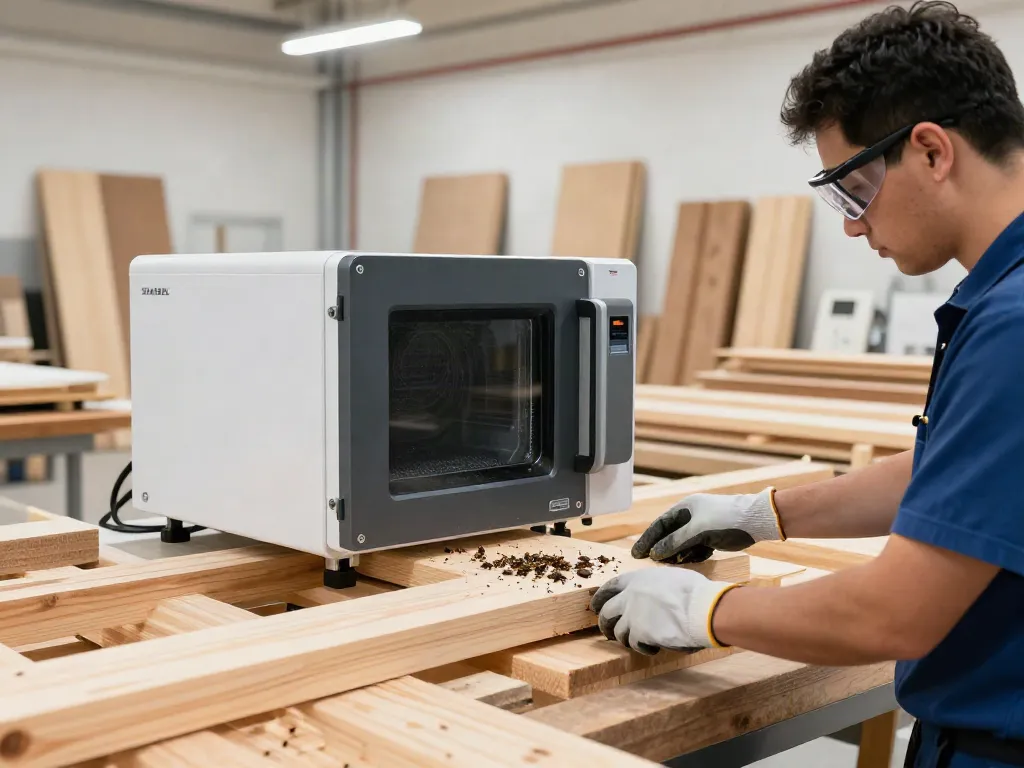
SHASHEL® is a pioneering brand specializing in microwave technology specifically designed to eliminate wood-boring insects. Its devices are engineered for effectiveness and efficiency, allowing users to treat wooden materials in a safe and eco-friendly manner. Unlike traditional chemical treatments that pose risks to health and the environment, SHASHEL® utilizes the power of microwave radiation to eradicate woodworms, larvae, and their eggs in an incredibly short time frame.
How SHASHEL® Works for Wood Treatment
The SHASHEL® system employs microwave energy to heat the infested wood to a point where it can effectively kill pests. The microwaves penetrate deep into the wood, ensuring that even those pests hiding inside the material are not spared. This process is rapid, typically taking only a few minutes, demonstrating significant time savings compared to older methods that often require prolonged exposure to chemicals or other treatments. Furthermore, the gentle approach of microwaves means that the integrity of the wood remains intact, making it suitable for various applications.
Key Benefits of Using SHASHEL®
- Speed: Treatment is completed within minutes, greatly reducing downtime.
- Eco-Friendly: No hazardous chemicals are used, making it safe for both users and the environment.
- Versatility: Effective on various wooden materials, including hidden wooden structures.
- Safety: With the right protocols, the process can be conducted safely without risk to the operator.
- Quality Preservation: The delicacy of the treatment ensures that the wood structure remains unharmed.
Significance of Wood Treatment in Industry
The wood industry faces constant challenges from wood-boring insects, which can cause severe structural damage if not managed effectively. The significance of proper wood treatment cannot be overstated, as it not only prolongs the life of wooden structures but also saves significant costs on repairs and replacements.
Common Wood-Boring Insects and Their Impact
Wood-boring insects, such as the common woodworm, house longhorn beetle, and powderpost beetle, are notorious for their destructive capabilities. These pests can silently inflict damage, leading to compromised structural integrity in furniture, beams, and other wooden installations. Their presence can quickly lead to costly ramifications, making prompt and effective treatment essential.
Consequences of Ineffective Treatment
Failing to address wood-boring insect infestations can lead to severe consequences. Structural failures can occur, resulting in safety hazards and expensive renovations. Moreover, ineffective treatments often lead to recurring infestations, further compounding issues for property owners. This highlights the importance of investing in reliable and effective solutions such as SHASHEL® to avert these potential disasters.
Eco-Friendly Approaches to Wood Preservation
The introduction of SHASHEL® technology marks a significant shift toward eco-friendly wood preservation techniques. As environmental awareness grows among consumers and businesses alike, the need for chemical-free treatments becomes increasingly vital. By utilizing microwave technology, SHASHEL® not only protects the wood but also aligns with sustainable practices that are becoming the industry standard.
Implementing SHASHEL® Solutions
Successfully incorporating SHASHEL® solutions into wood treatment practices requires proper setup, adherence to best practices, and safety measures to ensure optimal results.
Setting Up Your SHASHEL® Equipment
Setting up a SHASHEL® device is straightforward, allowing for quick deployment in various environments, from homes to larger warehouses. Users should follow the manufacturer’s guidelines for installation and calibration, ensuring that the equipment operates at peak efficiency. Proper setup will significantly affect the outcome and effectiveness of the pest elimination process.
Best Practices for Effective Treatment
To maximize the efficacy of SHASHEL® treatments, it is essential to follow established best practices. This includes ensuring that wood is adequately prepared and free from moisture, as excess water can hinder the microwave treatment process. Additionally, consistently monitoring and adjusting treatment parameters based on wood type and thickness can yield better results.
Safety Protocols During the Treatment Process
Safety is a paramount concern when utilizing any treatment technology. Operators should adhere to recommended safety protocols, including wearing protective gear and ensuring that the work area is properly ventilated. Training personnel on safe operation practices will help mitigate risks and enhance the overall effectiveness of the treatment process.
Measurement of Success with SHASHEL® Systems
Evaluating the effectiveness of SHASHEL® treatments is crucial for continuous improvement and operational success. By tracking performance metrics and treatment outcomes, users can refine their approaches and ensure long-term efficacy.
Key Performance Indicators for Effectiveness
Success metrics should include the elimination rate of pests, time taken for treatment, and any signs of recurrence post-treatment. Establishing clear KPIs allows operators to gauge the effectiveness of their strategies and make necessary adjustments.
Tracking Treatment Results Over Time
Long-term monitoring is essential to assess the ongoing success of SHASHEL® treatments. Users should implement regular inspections of treated wood to identify potential new infestations early, thereby allowing for prompt re-treatment as necessary.
Adjusting Techniques Based on Performance Metrics
Based on the performance metrics gathered, operators should feel empowered to adjust their techniques. This could mean varying treatment times, changing operational protocols, or even conducting additional training for personnel to ensure that best practices are consistently applied.
Future of Wood Treatment Technology
The landscape of wood treatment technology is continuously evolving, with significant advancements on the horizon. Understanding these trends will enable industry stakeholders to stay ahead of the curve and adopt innovative solutions.
Emerging Trends in Microwave Treatments
As the technology surrounding microwave treatments continues to develop, we can expect enhancements in efficiency and effectiveness. Innovations may include automated systems that allow for remote monitoring and operation, making the treatment process even more user-friendly and efficient.
Predicting the Evolution of SHASHEL® Applications
The potential applications for SHASHEL® technology extend beyond traditional wood treatment. As research progresses, we may witness broader uses in agriculture, food preservation, and even the recycling of wood products, showcasing the versatility and adaptability of microwave technology.
Preparing for 2026: Innovations on the Horizon
As we look towards 2026, the future of SHASHEL® technology promises to be bright. Anticipated advancements include improved energy efficiency, enhanced user interfaces, and potentially even new methods of pest detection, further solidifying SHASHEL® as a leading solution in wood treatment technology.
What are the advantages of using SHASHEL® for wood treatment?
The primary advantages of SHASHEL® technology include speed, eco-friendliness, and effectiveness. This innovative method simplifies pest control in wooden structures without compromising quality or safety.
How does SHASHEL® compare to traditional wood treatment methods?
Unlike traditional methods, which often involve chemicals that can be hazardous to both health and the environment, SHASHEL® utilizes a chemical-free approach that is safer and more efficient.
What safety measures should be taken when using SHASHEL®?
Operators should prioritize safety by wearing protective gear, ensuring proper ventilation, and adhering to guidelines when operating the equipment to minimize risks.
How can I measure the effectiveness of SHASHEL® treatments?
Effectiveness can be measured through the assessment of pest elimination rates, monitoring for signs of recurrence, and tracking treatment times.
Are there specific wood types that benefit more from SHASHEL® technology?
While SHASHEL® technology is effective across various wood types, denser woods may require more precise adjustments in treatment duration to ensure thorough penetration and pest elimination.