Understanding Precision CNC Machining Services
The world of manufacturing is constantly evolving, and at its heart lies the intricacies of precision CNC machining. This technology, which utilizes computer-controlled machines to create components from various materials, has transformed how industries operate since its inception. Companies like Honscn, a dedicated precision cnc machining supplier since 2003, exemplify the significant strides made in this field. CNC machining stands out for its ability to produce highly accurate and complex parts that meet the rigorous demands of modern manufacturing.
What is Precision CNC Machining?
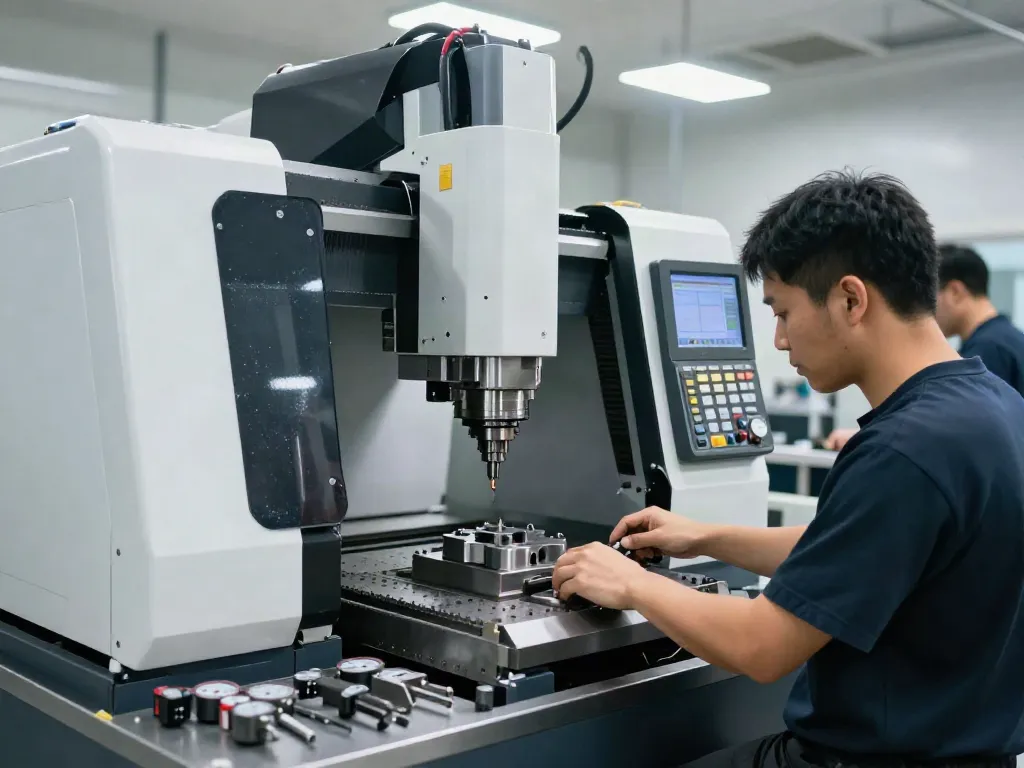
Precision CNC machining refers to the processes involved in manufacturing components with extreme accuracy using computer numerical control (CNC) machines. This technique allows for the automation of machining processes, where machines execute predetermined sequences based on computer programming. Various machining processes, such as milling, turning, and drilling, can be performed with exceptional precision and repeatability, making it a cornerstone of modern manufacturing.
Key Benefits of CNC Machining
- High Precision: CNC machines can achieve tolerances within ±0.001 inches, ensuring parts fit together seamlessly.
- Speed and Efficiency: With automated processes, CNC machining significantly reduces production time and labor costs.
- Flexibility: CNC technology can easily adapt to various projects, from high-volume production to unique one-off components.
- Consistency and Reliability: Each part produced is consistent, reducing the risk of human error while maintaining quality standards.
- Complex Geometries: CNC machining can create intricate designs that would be challenging or impossible with manual machining techniques.
Applications in Various Industries
CNC machining is utilized across numerous sectors, including aerospace, automotive, medical, and electronics. In the aerospace industry, for instance, components must withstand extreme conditions, necessitating high precision and reliability. Similarly, the automotive sector relies on CNC machining for parts that meet stringent safety and performance standards. From customizing prosthetics in the medical field to fabricating circuit boards in electronics, the applications of CNC machining are both diverse and critical to modern technology.
Choosing the Right Precision CNC Machining Supplier
Selecting the right precision CNC machining supplier is crucial for ensuring that your project meets its specifications and requirements. As the landscape of CNC machining suppliers grows, understanding what to look for can simplify the decision-making process.
What to Look for in a Supplier?
When evaluating potential CNC machining suppliers, consider the following factors:
- Experience: Look for suppliers with a proven track record in your industry or with the specific type of machining you require.
- Technology and Equipment: Ensure that the supplier uses modern CNC machines capable of achieving the accuracy and complexity needed for your projects.
- Quality Control: A reputable supplier should have established quality assurance processes to guarantee the precision of the parts produced.
- Customer Support: Strong communication and support throughout the project can prevent misunderstandings and ensure smoother operations.
- Scalability: Choose a supplier capable of scaling operations to meet your changing demands, whether for small batches or large-scale production.
Evaluating Supplier Capabilities
Take the time to assess a supplier's technological capabilities by requesting samples or visiting their facilities if possible. Understanding their machining processes, production capacity, and engineering support can provide insight into how well they can meet your needs. It's also beneficial to read reviews and testimonials from previous clients to gauge their reliability and service quality.
Understanding Quality Assurance Processes
A strong quality assurance process is vital in CNC machining. Suppliers should implement rigorous inspections at various production stages, from initial design validation through to final product testing. Certifications such as ISO 9001 can also indicate a supplier's commitment to quality management systems.
Common Challenges in CNC Machining
While CNC machining offers numerous advantages, several challenges arise that require attention to ensure successful project outcomes.
Addressing Precision Issues
Precision can be affected by various factors, including machine calibration, tooling wear, and material selection. Maintaining tight tolerances demands regular maintenance of CNC machinery, as well as periodic recalibration to adapt to changing material properties or production conditions. Collaborating closely with your supplier to address these elements can keep precision issues at bay.
Managing Production Timelines
Timely delivery of components is critical to maintaining the production schedule. Delays can arise from machine downtime, supply chain disruptions, or unforeseen complications in the manufacturing process. Establishing clear timelines and maintaining open communication with your supplier can help mitigate these risks and ensure that your project stays on track.
Cost Considerations for Projects
CNC machining costs can vary significantly based on factors such as complexity, materials, and production volume. While high precision is often associated with a higher price, it is essential to balance cost with quality and reliability. Providing your supplier with detailed project specifications and requirements can help generate accurate quotes and prevent unexpected expenses down the line.
Best Practices for Working with Suppliers
Effective collaboration with your CNC machining supplier can enhance the overall manufacturing process and lead to better outcomes.
Effective Communication Strategies
Open lines of communication are essential for any successful partnership. Establish a primary point of contact within the supplier's organization and ensure that both teams understand each other's expectations and capabilities. Regular updates on project progress can also help manage any potential issues before they escalate.
Setting Clear Expectations
When initiating a project, clearly outline the expected deliverables, including part specifications, timelines, and quality requirements. Documenting these specifications in a contract can help prevent misunderstandings and establish accountability on both sides.
Developing Long-Term Relationships
Building a long-term relationship with a CNC machining supplier can enhance mutual understanding and streamline future projects. Suppliers who understand your needs will be better positioned to provide tailored solutions that meet your specific requirements over time.
Future Trends in CNC Machining for 2026
The landscape of CNC machining is continually evolving, with several emerging trends set to shape its future in 2026 and beyond.
Advancements in CNC Technology
New technologies such as additive manufacturing and hybrid machining systems are beginning to integrate with traditional CNC processes. These advancements expand capabilities and allow for the production of more complex geometries, which can lead to significant efficiencies in production.
Emerging Materials and Techniques
As industries seek lighter and stronger materials, CNC machining is adapting to work with innovative composites and alloys. Suppliers must stay updated on the latest material developments to remain competitive and meet the needs of their clients.
Impact of Automation on Precision Machining
Automation and artificial intelligence are playing an increasingly significant role in CNC machining, from predictive maintenance to automated quality control. This trend will likely enhance precision, reduce labor costs, and improve scalability for manufacturers.
What Will the Future Hold for Precision CNC Machining?
The future of precision CNC machining appears bright, with technologies advancing rapidly. As industrial demands evolve, suppliers who embrace innovation while adhering to quality standards will thrive in this competitive environment.
Frequently Asked Questions on CNC Machining
How can I get a quote from a precision CNC machining supplier?
To obtain a quote, provide your potential supplier with detailed information about your project, including drawings, material specifications, and required tolerances. This information will enable the supplier to generate an accurate pricing estimate based on the complexities and requirements of your project.
What industries benefit from CNC machining services?
CNC machining services benefit a wide range of industries, including aerospace, automotive, medical, electronics, and more. Each industry utilizes CNC machining for producing components that require high precision and efficient production processes.
How do I ensure quality in CNC machining parts?
To ensure quality in CNC machined parts, collaborate with a supplier that implements robust quality control processes, provides certifications, and adheres to industry standards. Regular inspections and testing during production can also help maintain quality throughout the manufacturing process.