Understanding the Glass Cutting Machine Market
The glass cutting machine market is undergoing a significant transformation, driven by technological advancements and evolving customer needs. As industries seek to optimize efficiency and precision in glass processing, manufacturers are stepping up with innovative solutions. In this rapidly growing sector, the demand for reliable glass cutting machine manufacturer has surged, particularly in regions like China, where companies like Eworld Machinery have established themselves as leaders since 2002.
Overview of Leading Glass Cutting Machine Manufacturers
Leading manufacturers in the glass cutting machine industry offer a diverse range of products, catering to various applications from architectural glass to automotive components. Companies such as Bottero and CMS Machine have made a mark with their automated glass cutting lines and high-performance cutting machines, emphasizing quality and precision. These manufacturers leverage advanced technologies to design machines that enhance productivity while ensuring safety and ease of operation.
Key Innovations in Glass Cutting Technology
Innovation is at the heart of the glass cutting machine industry. Recent advancements include the integration of CNC (Computer Numerical Control) technology, which enables precise control over cutting processes. These machines can execute complex patterns and shapes, significantly reducing waste and improving efficiency. Furthermore, the development of laser cutting technology allows for cleaner cuts and the ability to process a wider variety of glass materials.
Market Trends and Customer Demands in 2026
As we look towards 2026, the glass cutting machine market is poised for continued growth. Key trends include an increasing focus on automation and smart manufacturing, driven by the Industry 4.0 movement. Customers are demanding machines that not only offer high-speed cutting but also integrate seamlessly with other processes, such as edging and polishing. Sustainability is another critical consideration, with manufacturers exploring eco-friendly glass processing solutions to meet regulatory requirements and consumer preferences.
Choosing the Right Glass Cutting Machine
Selecting the appropriate glass cutting machine is crucial for optimizing operational capabilities. With a multitude of options available, understanding the differences between various machines, including manual, semi-automatic, and fully automatic models, can help manufacturers make informed decisions.
Comparing Different Types of Glass Cutting Machines
Manual glass cutting machines offer basic functionalities and are best suited for small-scale operations and DIY enthusiasts. In contrast, semi-automatic machines provide a balance between manual control and automated processes, making them ideal for mid-sized businesses. Fully automatic glass cutting machines, with features like automatic load/unload systems, are designed for high-volume production environments, showcasing superior efficiency and minimal waste.
Factors to Consider When Selecting a Manufacturer
- Reputation: Consider the manufacturer's experience and credibility in the market.
- Customer Service: Assess the quality of support offered post-purchase.
- Product Range: A diverse product range can provide options for future expansion.
- Technology: Look for manufacturers that invest in the latest technologies for improved efficiency.
Industry Standards and Certifications for Quality Assurance
Quality assurance is paramount in the glass cutting machine industry. Ensuring compliance with international standards such as ISO certifications can guarantee that the machines meet safety, reliability, and performance benchmarks. Manufacturers should be transparent about their certifications and quality control processes, providing customers with confidence in their products.
Best Practices for Operating Glass Cutting Machines
Using glass cutting machines effectively requires adherence to best practices that ensure safety and longevity. Operators must be well-trained and familiar with the specific machinery being used.
Techniques for Safe and Efficient Operation
Safety should always be the top priority when operating glass cutting machines. It is vital to use appropriate personal protective equipment (PPE), including safety glasses and gloves. Additionally, operators should conduct regular checks on the machines to ensure they are in proper working order, addressing any potential issues before they escalate.
Maintenance Guidelines for Longevity and Performance
Routine maintenance plays a critical role in the performance and longevity of glass cutting machines. Keeping the machines clean, regularly lubricating moving parts, and ensuring proper calibration can prevent breakdowns and enhance operational efficiency. Manufacturers often provide guidelines on maintenance schedules, which users should strictly follow.
Common Challenges and Troubleshooting Tips
Despite best efforts, challenges may arise during glass cutting operations. Common issues include misalignment, excessive chipping, and inconsistent cutting speeds. Troubleshooting these problems often involves checking machine settings, ensuring blades are sharp, and recalibrating the equipment if necessary. Engaging with technical support from manufacturers can also help resolve complex issues quickly.
Real-World Applications and Success Stories
Understanding how glass cutting machines are utilized across different industries can provide valuable insights into their capabilities. Numerous successful implementation cases highlight the transformative effects of advanced cutting techniques.
Case Studies of Successful Glass Cutting Implementations
Several businesses have reported significant productivity increases following the adoption of modern glass cutting machines. For instance, a leading construction company was able to reduce glass waste by 30% and increase output by 50% within a year of upgrading their cutting technology.
Industry-Specific Applications and Custom Solutions
Glass cutting machines are not one-size-fits-all. Different industries, such as automotive, architecture, and art, have unique requirements. Custom solutions tailored to specific applications can provide businesses with even greater efficiency and precision.
Transformative Effects of Advanced Glass Cutting Techniques on Business
Advanced glass cutting techniques have the potential to not only enhance operational efficiency but also to elevate product quality. Manufacturers that adopt these innovations find themselves better positioned to meet client demands, leading to increased customer satisfaction and loyalty.
Future Directions for Glass Cutting Machine Manufacturers
The future of the glass cutting machine industry is bright, with various trends shaping its development. Manufacturers must remain agile and forward-thinking to capture emerging opportunities.
Emerging Technologies and Innovations in Glass Manufacturing
Artificial intelligence and machine learning are beginning to influence glass cutting techniques, allowing for predictive maintenance and smarter operational workflows. Automation trends are expected to accelerate, as technology continues to improve productivity while minimizing human error.
Predictions for the Glass Cutting Industry in 2026 and Beyond
As we approach 2026, the glass cutting industry is likely to witness expanded adoption of smart machinery that integrates seamlessly with factory systems. The growth of the green building movement will further drive the demand for sustainable glass products, pushing manufacturers to innovate continuously.
Adapting to Market Changes and Customer Needs
Flexibility in production processes and offerings will be key for manufacturers aiming to thrive in a dynamic market landscape. Listening to customer feedback and being willing to adapt technologies swiftly will ensure that manufacturers remain competitive.
What is a glass cutting machine?
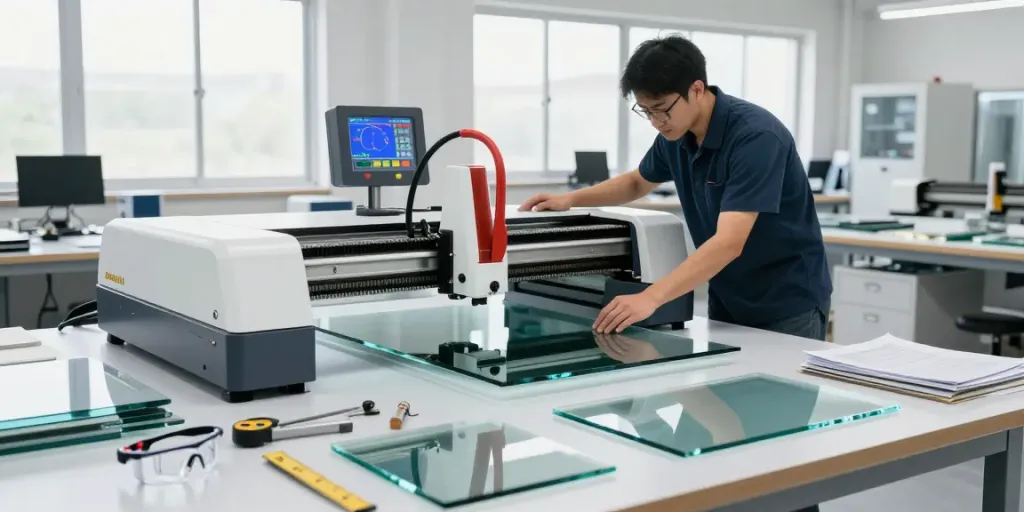
A glass cutting machine is a specialized piece of equipment designed to cut glass sheets or shapes with precision. Depending on the technology used, these machines can perform cuts using various methods including manual scoring, rotary cutting, and CNC technologies.
How do glass cutting machines work?
Glass cutting machines work by employing different cutting techniques to score and separate glass. The machine either applies pressure to a cutting tool or utilizes lasers to achieve precise cuts based on design specifications.
What are the benefits of using automated glass cutting machines?
Automated glass cutting machines provide numerous advantages, including increased speed, improved accuracy, reduced waste, and enhanced safety. By automating the cutting process, manufacturers can achieve higher production rates and lower labor costs.
What should I look for in a glass cutting machine manufacturer?
When selecting a glass cutting machine manufacturer, consider factors such as technological expertise, product range, customer service, and industry reputation. Ensuring that the manufacturer has a solid track record in quality and support can lead to a more successful partnership.
How can I ensure quality from my glass cutting machine supplier?
To ensure quality from your glass cutting machine supplier, verify their certifications, request references from previous clients, and assess their warranty and support policies. Reliable feedback can provide insight into a supplier's performance and reliability.